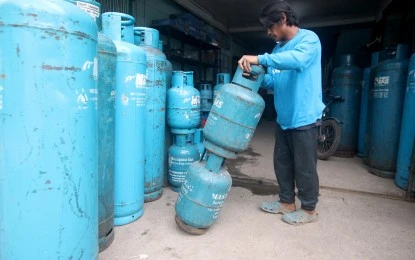
The Philippine government has officially suspended excise taxes on liquefied petroleum gas (LPG) and kerosene, a move aimed at providing immediate financial relief to households and businesses.
In a joint effort, the Department of Finance (DOF) and the Bureau of Internal Revenue (BIR) have issued the implementing rules and regulations for the tax suspension. This action follows the passage of legislation designed to curb rising energy costs.
"The suspension is effective immediately and applies to all transactions involving these fuels," stated a joint memorandum from the agencies. "This measure is intended to directly benefit consumers by reducing the final retail price."
The policy is expected to lower the cost of LPG, commonly used for cooking in millions of Filipino homes, and kerosene, which remains a vital fuel source for lighting, heating, and cooking in many rural and low-income areas. Analysts suggest the suspension could translate to significant savings for families already grappling with inflation.
The DOF and BIR outlined clear guidelines for oil companies, importers, and distributors to ensure the tax break is passed on to end-users. Companies are required to adjust their pricing and maintain transparent records.
This fiscal intervention is part of a broader government strategy to manage economic pressures and stabilize essential commodity prices. The suspension period is set for one year, with provisions for review based on global oil market conditions.