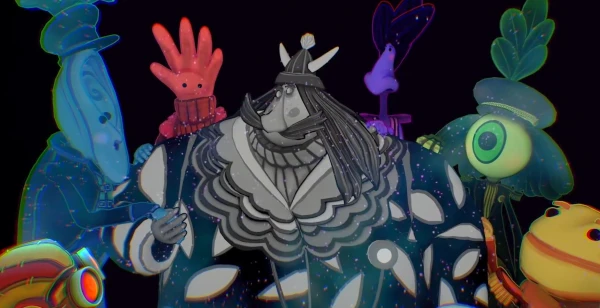
In the final act of Psychonauts 2, a profound moment emerges that crystallizes the game's entire exploration of mental wellness. During the PSI-King Sensorium level—a surreal, dreamlike platforming sequence—players encounter a line of dialogue that serves as the emotional and thematic culmination of the journey.
"The most courageous thing you can do is to ask for help when you need it."
This simple statement arrives after hours of navigating psychic landscapes filled with anxiety, trauma, and emotional turmoil. The PSI-King Sensorium level itself represents a breakthrough moment where the game's mechanics and narrative align perfectly—players must literally piece together fragmented memories and emotions to progress.
What makes this line particularly impactful is its placement within a medium that traditionally celebrates individual heroism. In most video games, protagonists overcome challenges through sheer determination and skill alone. Psychonauts 2 subverts this expectation by framing vulnerability and interdependence as strengths rather than weaknesses.
The game has been building toward this revelation throughout its runtime, with protagonist Razputin Aquato learning that even the most powerful psychics struggle with internal conflicts. The PSI-King Sensorium serves as the narrative turning point where abstract concepts about mental health become concrete, personal truths.
This moment resonates because it transcends gaming conventions to deliver a universal message about human connection. By the time players reach this line, they've experienced firsthand how mental health challenges manifest—not as monsters to be defeated, but as complex emotional landscapes to be understood and navigated with compassion.
Psychonauts 2 ultimately suggests that true strength lies not in solitary struggle, but in the willingness to reach out and share our burdens—a message that lands with particular force in its final, unforgettable moments.