Last Thursday, Dr. Cerina Fairfax was shot and killed by her husband, former Virginia Lieutenant Governor Justin Fairfax, who then fatally shot himself. Three days later, in Louisiana, Shamar Elkins allegedly shot and killed eight children—seven of them his—and critically wounded his wife and another woman with whom he shared three children. Both men had threatened suicide, both obtained guns, and both were facing imminent separations. Experts say these tragedies might have been prevented by recognizing warning signs that had been flashing for weeks.
Justin Fairfax had been ordered by a judge to vacate the family home by month's end. After losing his 2021 gubernatorial bid and leaving office in 2022, he struggled with underemployment and alcoholism. In court filings, Dr. Fairfax described him spending extended time alone, surrounded by dirty laundry and empty wine bottles. He bought a gun in 2022, was required to take breathalyzer tests before visiting his children, and faced a final separation. These details, when viewed together, signal escalating dangerousness.
Less is known about Shamar Elkins, a National Guard veteran with a felony weapons conviction that likely barred him from owning a gun. Family members said he battled mental health issues. "Some people don't come back from their demons," his stepfather recalled Elkins telling him recently. He also told his parents his wife wanted a divorce.
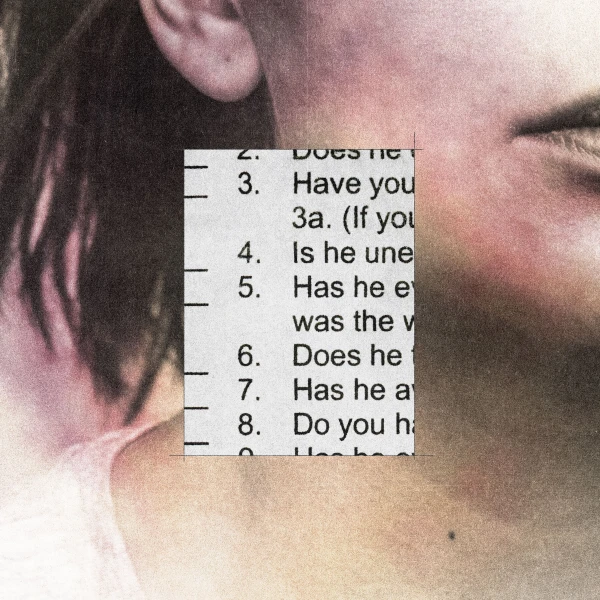
For domestic violence experts, such details are glaring red flags. The field has developed a 20-question survey called the Danger Assessment, created in 1986 by nurse and graduate student Jacquelyn Campbell, now a Johns Hopkins professor. It includes markers like prior domestic violence, threats of suicide or homicide, access to guns, strangulation, forced sex, stalking, and substance abuse. The survey also tracks a timeline of abuse to gauge escalation.
Originally used in emergency rooms and doctors' offices, the Danger Assessment was adapted around 2005 by the Geiger Institute (on whose board the author serves) for "high-risk teams" that bring together victim advocates, law enforcement, and community stakeholders. While training is needed to score the weighted questions, the assessment can give nonexperts an immediate picture of potential lethality.
In both cases, the Danger Assessment would have flagged extreme risk. Yet the signs were overlooked until it was too late.