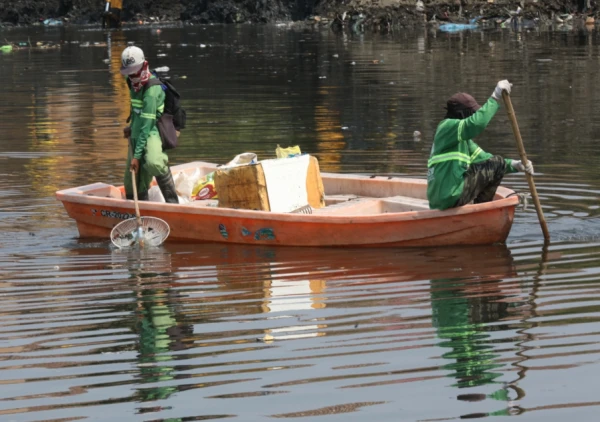
The Philippine government has launched an ambitious initiative to restore the health of Metro Manila's rivers, aiming to transform them from polluted waterways into vibrant community assets. The project, dubbed 'River Rehab,' focuses on cleaning up the Pasig River and its tributaries, which have long suffered from industrial waste, sewage, and solid waste dumping.
Under the plan, authorities will deploy advanced water treatment technologies, intensify garbage collection, and enforce stricter regulations on factories and households dumping waste into the rivers. The rehabilitation also includes the creation of river parks and promenades to encourage public use and appreciation.
"This is not just about cleaning the rivers; it's about changing the mindset of the people," said an official from the Department of Environment and Natural Resources. "We want Filipinos to see their rivers as sources of life and recreation, not as dumping grounds."
The project is expected to create thousands of jobs in waste management, landscaping, and eco-tourism. Local communities will be involved in monitoring and maintaining the rivers, ensuring long-term sustainability.
Environmental groups have welcomed the initiative but stressed the need for consistent enforcement and community participation. "It's a step in the right direction, but we've seen similar efforts fail before due to lack of political will and public cooperation," noted a representative from the Philippine Clean Water Coalition.
The rehabilitation is part of a broader national strategy to address water pollution and climate resilience. If successful, it could serve as a model for other urban centers in the Philippines.