Europe's Push for Sustainable Paper Recycling
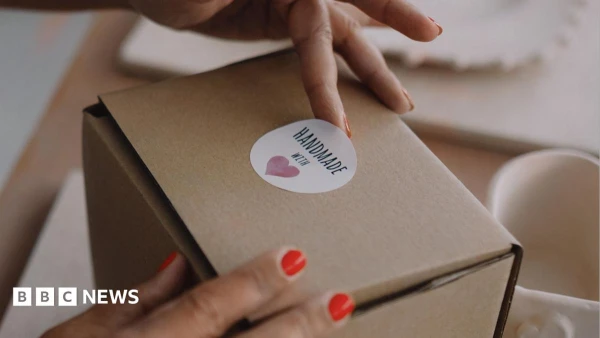
European authorities are implementing stricter targets for paper and card recycling, aiming for at least 70% of packaging to be recyclable by 2030. However, the presence of non-recyclable adhesives, or 'stickies,' can negate the recyclability of paper packaging.
The Challenge with Adhesives
Adhesives can cause damage to recycling machinery, result in inferior recycled paper, or even lead to batches being rejected. Scientists at NC State University have highlighted the impact of these 'stickies' on the recycling process.
Innovative Solutions
To tackle this issue, companies like Fraunhofer, Hermann Ultraschall, and Henkel are developing innovative technologies. Fraunhofer's PAPURE project has created a laser-based heating process that seals paper packaging without adhesives. Meanwhile, Hermann Ultraschall has acquired the rights to develop a patented ultrasonic paper sealing technology, likened to welding.
The packaging industry has existing machines designed for glue materials. Some kind of redesign is probably necessary, and this is our biggest challenge.
Overcoming Challenges
While these solutions show promise, they also present challenges. The production rate is currently slower than traditional adhesive-based methods, and the technologies don't work on all types of paper. However, researchers are confident that existing machines can be modified, and production rates can be improved.
Breakthroughs in Food-Grade Packaging
Henkel has made a significant breakthrough with its cold seal solution, which works with barrier-coated paper suitable for food products. This innovation has the potential to replace plastic packaging, making it a crucial step towards more sustainable packaging solutions.
A System Shift
Improving the recyclability of paper packaging requires a system shift, engaging all players in the supply chain. With the looming PPWR deadline, the industry is actively working towards this change. As Dr. Arianna Savini from Henkel notes, 'Since paper is already very established in the recycling infrastructure, it's a very obvious solution when we think about how we can improve the sustainability and recyclability of our packaging.'