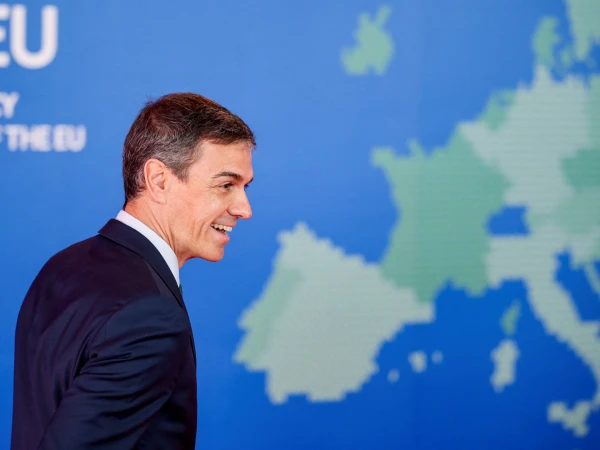
Spanish Prime Minister Pedro Sanchez firmly dismissed reports that the United States might consider suspending Spain from NATO due to Madrid's opposition to the war on Iran.
In a statement to the press, Sanchez said, "Spain will not be threatened over our stance on international conflicts. We remain a committed NATO ally, but we will not be coerced into supporting actions that go against our principles."
The controversy arose after unnamed US officials suggested that Spain's refusal to back military operations against Iran could strain its position within the alliance. Sanchez rebuffed the claim, emphasizing that NATO membership is based on collective security and mutual respect, not unilateral demands.
"Spain is a reliable partner in the transatlantic community, but we reserve the right to take a sovereign position on military interventions."
The Spanish government has consistently advocated for diplomatic solutions to the Iranian nuclear issue, cautioning against escalation. Sanchez called for continued dialogue and urged NATO partners to focus on constructive engagement rather than coercive threats.
Political analysts note that such internal disagreements are not unprecedented within NATO, which has historically accommodated differing viewpoints among member states. The alliance's collective defense clause has only been invoked once, following the September 11 attacks.