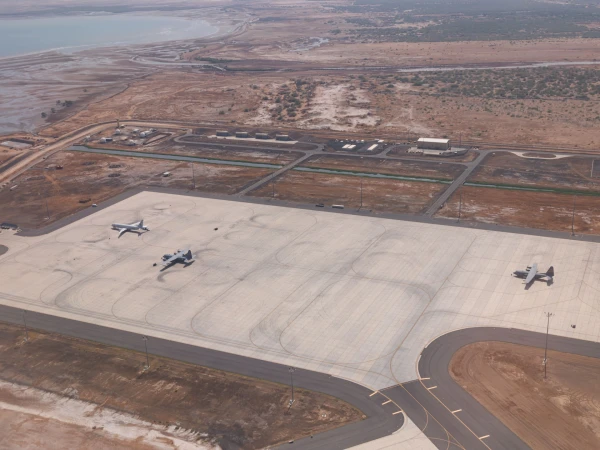
Along a narrow stretch of Djibouti's coastline, rival global powers maintain military installations within sight of each other. This small East African nation has transformed itself into an unprecedented international security hub, hosting bases from competing nations including the United States and China.
Djibouti's strategic location at the entrance to the Red Sea and along major shipping routes has made it indispensable to global military operations. As one analyst noted, "For Djibouti, geography has become its most valuable resource—more precious than any mineral or oil deposit."
The country's leadership has deliberately cultivated this role, offering its territory as a strategic outpost for multiple nations simultaneously. This unique arrangement creates a delicate diplomatic balance where traditional adversaries operate in close proximity while pursuing their respective regional interests.
Military experts describe Djibouti as a "living laboratory" for 21st-century geopolitics, where economic and security interests intersect in ways rarely seen elsewhere. The concentration of foreign forces has brought significant infrastructure investment and economic benefits to the nation of approximately one million people.
However, this strategic positioning also creates complex challenges. Djibouti must navigate competing demands from its international partners while maintaining its sovereignty and stability. The country's success in managing these relationships will likely determine whether this model of shared military presence can be sustained long-term.