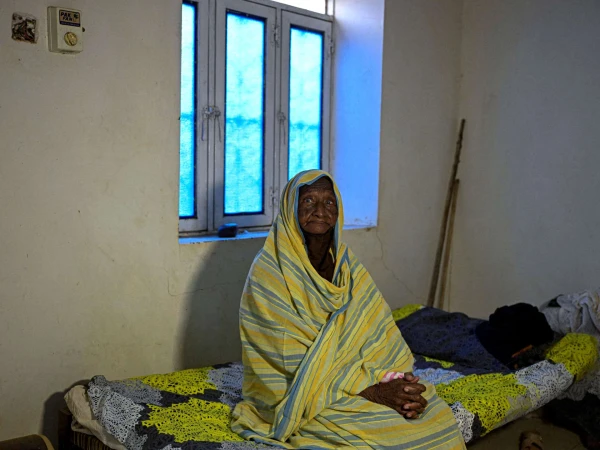
Thousands of Sudanese refugees returning to their homeland after years of displacement are encountering a stark reality: their communities have been left in ruins by conflict, creating what United Nations officials describe as a new "struggle for survival."
According to recent UN assessments, returnees are finding their homes, water systems, healthcare facilities, and electrical infrastructure "heavily damaged" or completely destroyed. This widespread devastation has created chronic needs that far outpace available resources.
"The initial joy of homecoming is quickly overshadowed by the harsh conditions on the ground," a UN spokesperson noted. "Families who have endured displacement now face the monumental task of rebuilding from virtually nothing."
The most pressing challenges include contaminated or non-existent water sources, collapsed health clinics, and homes reduced to rubble. Many returnees report living in makeshift shelters without access to basic sanitation or medical care.
UN officials emphasize that without significant investment in reconstruction, these communities risk falling into deeper humanitarian crises. The situation highlights the complex transition from emergency relief to sustainable recovery in post-conflict zones.
Local community leaders have begun organizing volunteer efforts to clear debris and establish temporary water points, but they acknowledge these are stopgap measures. "We need proper infrastructure, not just emergency aid," one community representative stated. "Our people deserve to rebuild with dignity."
The UN is calling for coordinated international support to address both immediate humanitarian needs and long-term development goals, warning that failure to invest now could lead to renewed displacement and instability in the region.