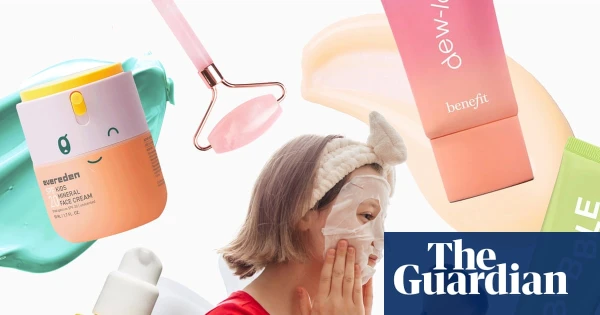
A troubling trend has emerged on TikTok, where young children are being turned into skincare influencers, raising serious ethical questions about exploitation and child safety in the digital age.
These accounts, often managed by parents, feature children as young as five demonstrating elaborate skincare routines with expensive products. Videos show kids applying serums, moisturizers, and even chemical exfoliants while speaking in scripted dialogue about their "skincare journey."
"There's an undeniable element of exploitation here," says child psychologist Dr. Elena Rodriguez. "These children aren't making autonomous decisions about their online presence. They're performing for an audience of millions, often promoting products they don't understand."
The phenomenon has sparked debate about where parenting ends and exploitation begins. While some parents claim they're simply documenting their children's interests, critics argue these accounts generate substantial revenue through brand partnerships and affiliate links.
Child development experts warn that exposing children to beauty standards at such a young age could have lasting psychological effects. "We're seeing children as young as seven expressing anxiety about wrinkles and pores," notes Dr. Rodriguez. "This isn't normal childhood development."
Platform responsibility has become a central concern. TikTok's guidelines prohibit content that endangers minors, but enforcement appears inconsistent. Some child skincare accounts have amassed millions of followers despite featuring clearly underage creators.
Legal experts point to potential violations of child labor laws in some jurisdictions, particularly when accounts generate significant income. The line between family vlogging and commercial enterprise has become increasingly blurred.
Parents defending the practice argue they're teaching entrepreneurship and self-care. "My daughter loves doing these videos," says one mother of a nine-year-old influencer. "She's learning about skincare and building confidence."
However, child protection advocates counter that children cannot meaningfully consent to becoming public figures. "A child saying 'I like making videos' doesn't constitute informed consent about becoming an internet personality," explains family law attorney Marcus Chen.
The trend reflects broader concerns about children's digital footprints and the monetization of childhood. As these accounts continue to proliferate, calls for clearer regulations and platform accountability are growing louder.
What began as innocent family content has evolved into a multimillion-dollar industry with children at its center—raising urgent questions about protection, consent, and the price of internet fame for the youngest generation of digital natives.