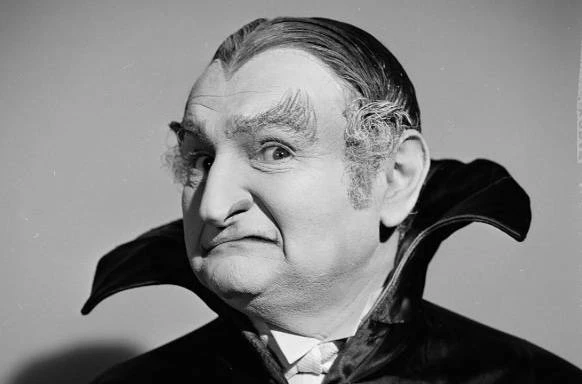
Sixty years after its debut, The Munsters remains the gold standard for gothic comedy—a show so bizarrely charming that its 70-episode run feels like a single, unbroken laugh. With Herman Munster’s deadpan delivery and Grandpa’s unhinged antics, the series carved a permanent niche in television history, proving that a family of monsters could be more relatable than most sitcoms of its era.
"Herman Munster isn’t just a monster—he’s the heart of the family. His deadpan reactions to the absurd make the show." — TV historian and critic Leonard Maltin
A Legacy Built on Laughter and Nostalgia
What started as a modest 1964 sitcom quickly became a cornerstone of American pop culture. The Munsters—Herman, Lily, Marilyn, Eddie, and Grandpa—were a family of monsters who behaved like any other suburban clan, just with more fangs and a penchant for chaos. Their misadventures, from Grandpa’s failed experiments to Herman’s ill-fated job interviews, turned mundane tasks into comedic gold.
The show’s longevity isn’t just nostalgia; it’s a testament to its universal appeal. While many sitcoms of the era have faded into obscurity, The Munsters has been revived, parodied, and referenced in countless films, TV shows, and even music. Its influence can be seen in modern comedies that blend horror and humor, from The Simpsons to What We Do in the Shadows.
The Secret to Grandpa’s Enduring Appeal
No discussion of The Munsters is complete without celebrating Grandpa Munster, the show’s most iconic character. Played by Al Lewis, Grandpa was a wild-eyed, eccentric old man whose antics often stole the spotlight. Whether he was brewing potions in the basement or causing mayhem with his pet bat Igor, his unpredictability made him a fan favorite.
Lewis’s portrayal was so magnetic that it overshadowed even Fred Gwynne’s Herman Munster, a towering figure with a deadpan delivery that became the show’s signature. Together, they created a dynamic that balanced humor with heart, making the Munster household feel like a real family despite its supernatural quirks.
From Cancelation to Cult Classic
Despite its modest 70-episode run, The Munsters was canceled after just two seasons—a fate that befell many shows of its time. Yet, unlike many forgotten sitcoms, it refused to die. The original series found new life in syndication, where its quirky charm endeared it to new audiences. In the decades since, it has been revived in various forms, including a 1981 film, a 1988 sequel, and even a short-lived 2012 reboot.
The show’s ability to transcend its era speaks to its timeless humor and relatable themes. At its core, The Munsters was about family, acceptance, and the absurdity of everyday life—universal ideas that resonate no matter the decade. In an era where sitcoms often rely on cynicism or shock value, The Munsters remains a refreshing reminder of the power of simple, joyful comedy.