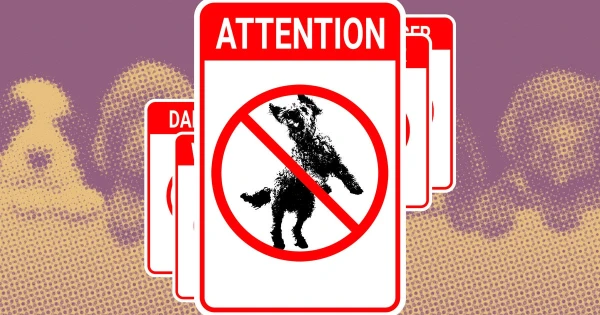
A recent psychological exploration suggests that how we react to others' pet preferences—particularly regarding dogs—can reveal more about ourselves than about those we're judging.
When someone expresses a dislike for dogs, immediate negative judgments often follow. However, this knee-jerk reaction may stem from deep-seated psychological biases rather than objective assessment. Research indicates that people who strongly identify with dog ownership often view it as a core aspect of their identity, making criticism of dogs feel like personal criticism.
"Our attachment to pets can become so intertwined with our self-concept that we perceive any negative opinion about them as a threat to our values," explains Dr. Elena Martinez, a social psychologist specializing in human-animal relationships. "This triggers defensive reactions that say more about our need for validation than about the person expressing the preference."
The tendency to judge non-dog-lovers harshly may also reflect what psychologists call the "false consensus effect"—the assumption that others share our beliefs and values. When someone deviates from this perceived norm, especially regarding something as emotionally charged as pets, it can create cognitive dissonance that manifests as judgment.
Interestingly, this phenomenon isn't limited to dog preferences. Similar patterns emerge around various lifestyle choices, from dietary preferences to entertainment tastes. The intensity of the reaction often correlates with how central that preference is to one's identity.
Understanding this psychological mechanism can foster more tolerant interactions. Recognizing that pet preferences are personal rather than moral judgments allows for more respectful discourse. As society becomes increasingly polarized over various issues, examining why we judge seemingly trivial preferences might offer insights into broader patterns of social judgment.
Ultimately, examining our reactions to others' preferences—whether about pets, politics, or pizza toppings—provides a mirror to our own psychological makeup and the values we hold most dear.