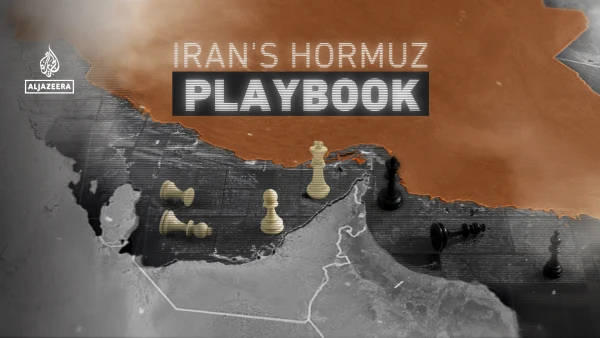
The Strait of Hormuz, a narrow maritime chokepoint connecting the Persian Gulf to the open ocean, has evolved from a simple geographic feature into a sophisticated system of geopolitical control with profound implications for global power dynamics and economic stability.
This strategic waterway, just 21 miles wide at its narrowest point, carries approximately one-fifth of the world's oil supply and one-third of all seaborne petroleum. Its transformation into what analysts now describe as a "playbook" for international influence began with regional tensions but has since developed into a complex framework that shapes everything from energy prices to diplomatic negotiations.
"The Strait represents more than just a shipping lane—it's become a chessboard where nations test their strategic capabilities," explains Dr. Elena Rodriguez, a maritime security analyst at the Global Policy Institute. "The threat of disruption has become a tool for leverage in broader geopolitical negotiations."
Recent developments have seen various actors—from state navies to non-state groups—develop sophisticated approaches to using the waterway as both a defensive asset and an offensive tool. This evolution has created what security experts call a "calculated risk environment" where the mere possibility of disruption influences global markets and foreign policy decisions.
As global energy demands continue to grow and alternative shipping routes remain limited, the strategic importance of the Strait of Hormuz only intensifies. The waterway's transformation from potential conflict zone to established system of control demonstrates how geography, when combined with economic necessity, can create enduring frameworks of international influence that transcend traditional military or diplomatic approaches.