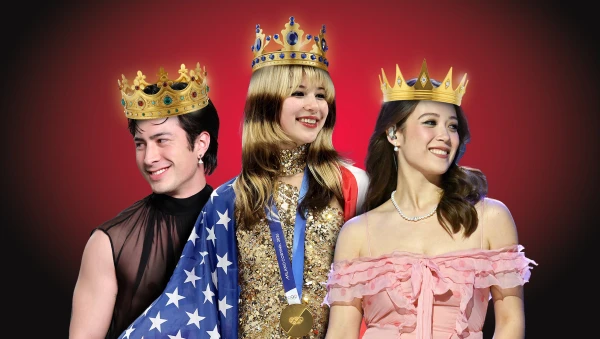
A new term blending 'White' and 'Asian' has gained traction in cultural conversations, sparking both lighthearted engagement and serious reflection among identity experts.
While the portmanteau 'Wasian' offers a casual, approachable way to discuss mixed-race heritage, sociologists note that such labels carry nuanced implications beyond their surface appeal. "These terms can create community and simplify complex identity discussions," explains Dr. Elena Rodriguez, a cultural anthropologist at Stanford University. "But we must remain mindful that they can also inadvertently reinforce racial binaries or overlook the diversity within these categories."
For many individuals of mixed White and Asian descent, the term provides a convenient shorthand that resonates with their lived experience. "It's refreshing to have language that acknowledges both sides of my heritage without requiring lengthy explanations," shares 28-year-old graphic designer Marcus Chen.
However, experts caution that while playful terminology can make conversations about race more accessible, it shouldn't overshadow the deeper work of understanding racial dynamics. "The danger lies in treating these labels as endpoints rather than starting points for meaningful dialogue," notes Dr. Rodriguez. "True progress comes from engaging with the full complexity of racial identity, not just the catchy terms we use to describe it."
As identity language continues to evolve, the 'Wasian' phenomenon highlights the ongoing tension between linguistic convenience and conceptual precision in discussions of race and heritage.