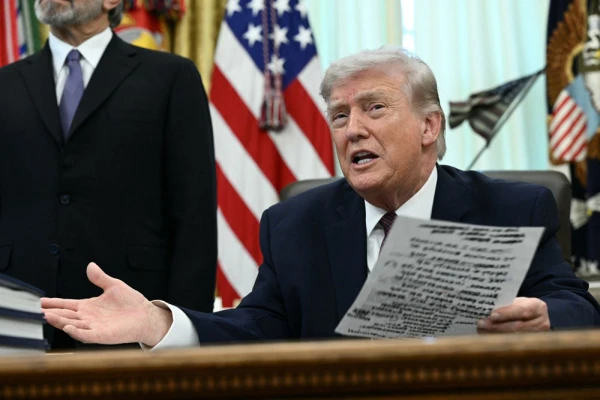
In a strategic diplomatic maneuver, former President Donald Trump has extended an existing ceasefire agreement, granting Iran additional time to engage in negotiations. This decision marks a significant shift in approach, emphasizing dialogue over immediate confrontation in the ongoing geopolitical tensions between the two nations.
"We are giving them space to come to the table," Trump stated, framing the extension as a calculated opportunity for peaceful resolution. The move is seen by analysts as an attempt to de-escalate hostilities while maintaining pressure through diplomatic channels.
The extension follows a period of heightened rhetoric and military posturing, with the ceasefire originally implemented to prevent further escalation. By prolonging this temporary peace, the administration aims to create a conducive environment for substantive talks, potentially addressing longstanding issues such as nuclear proliferation and regional influence.
International observers are cautiously optimistic, noting that the extra time could allow for backchannel discussions and confidence-building measures. However, skepticism remains regarding Iran's willingness to negotiate in good faith, given previous diplomatic stalemates.
This development underscores the complex balance of power in the Middle East, where strategic patience is often as crucial as military might. The world now watches to see if this extended grace period will yield a breakthrough or merely postpone inevitable conflict.