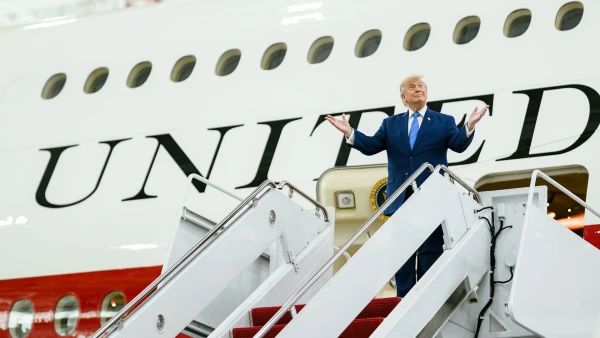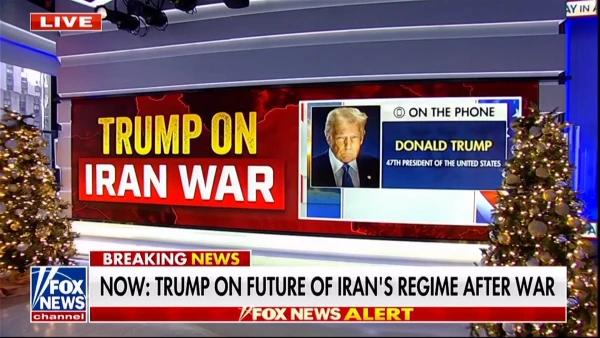
President Donald Trump announced on Tuesday that his administration is seeking a "permanent" agreement to block Iran from ever acquiring a nuclear weapon. In a brief remarks at the White House press briefing, Trump emphasized that a durable, long‑term framework would be more effective than the temporary accords that have governed the issue since 2015.
"I want a permanent deal that guarantees Iran never gets a bomb," Trump said, adding that his team is already in contact with allies and regional partners to draft the terms. He warned that the current Joint Comprehensive Plan of Action (JCPOA) is vulnerable to erosion and that a fresh, binding pact would provide "real security for America and our friends in the Middle East."
The proposal arrives as the United States continues to grapple with how to re‑engage Tehran after the Trump administration withdrew from the JCPOA in 2018. Critics argue that a so‑called permanent deal may be unrealistic given the shifting political landscape in both Washington and Tehran, while supporters claim it could finally lock Iran’s nuclear ambitions in place for good.
The administration has not released details on the specific mechanisms it envisions, but officials hinted at a combination of rigorous inspections, severe sanctions for violations, and a clear timeline for lifting restrictions if Iran complies. The next steps will involve intensive diplomatic talks with European allies, Israel, and Saudi Arabia, all of whom have expressed strong interest in a robust, long‑lasting solution.
"A permanent agreement is the only way to ensure lasting peace in the region," Trump asserted, underscoring his belief that a decisive, unwavering stance will deter future nuclear proliferation attempts.
The move signals a renewed focus on nuclear non‑proliferation as a cornerstone of U.S. foreign policy, even as other global challenges compete for attention on the administration’s agenda.