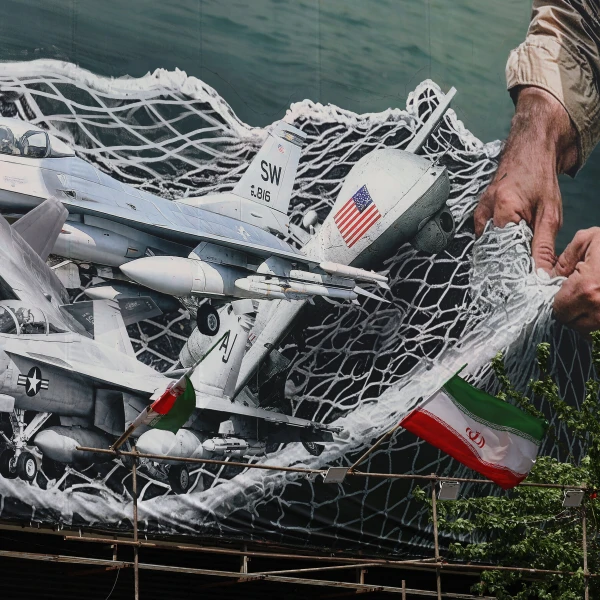
The Strait of Hormuz, a narrow waterway through which nearly a fifth of the world's oil passes, is once again in the crosshairs of two authoritarian regimes. Iran and its allies have been making increasingly bellicose threats to close the strait, a move that would send global energy markets into turmoil. This is not just a regional issue—it's a powder keg that could ignite a global economic crisis.
Both leaders are known for their cocky, defiant rhetoric. They seem to believe that by threatening the free flow of oil, they can extract political concessions or bolster their domestic standing. But the risks are enormous. Blocking Hormuz would almost certainly invite a military response from the United States and its allies, who have made clear that the strait's freedom of navigation is a non-negotiable red line.
Experts warn that even a temporary closure could cause oil prices to spike, triggering recessions worldwide. The real question is: why would these leaders take such a reckless gamble? The answer lies in their authoritarian playbook—when in trouble at home, threaten international chaos to distract from internal failures. But this game of brinksmanship could easily spiral out of control, with devastating consequences for everyone.
"Blocking Hormuz is not just an act of aggression; it's an act of economic warfare against the entire world," said one geopolitical analyst.
As the standoff intensifies, the international community must stand firm. Allowing authoritarians to hold global commerce hostage sets a dangerous precedent. The Strait of Hormuz must remain open—not just for the sake of oil markets, but for the stability of the global order.