The European Union has proposed a landmark trade arrangement that could allow the UK to participate in its "Made in Europe" initiative without adopting Brussels’ proposed tariffs on Chinese electric vehicles. The draft plan, spearheaded by Ireland during its current EU presidency, aims to protect the bloc’s car manufacturing sector while easing concerns over potential economic fallout in the UK.
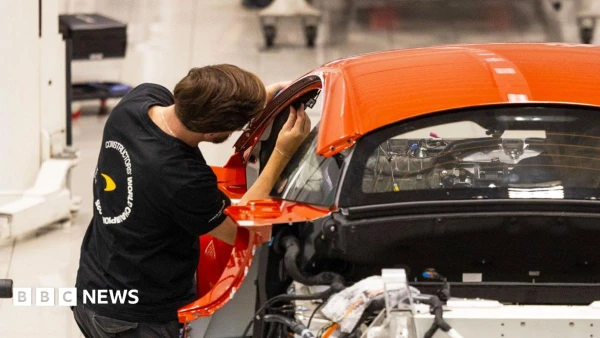
Under the proposal, the UK—alongside Switzerland and European Economic Area nations like Norway—would gain access to the EU’s Industrial Accelerator Act, a scheme designed to restrict imports from non-EU countries, particularly China. Crucially, the UK would not be required to mirror the EU’s tariffs on Chinese EVs, a condition that had previously threatened to derail negotiations. This shift reflects the deep integration between the UK and EU automotive industries, which share complex supply chains and manufacturing dependencies.
The proposal will be reviewed by EU ambassadors on Wednesday before being discussed by competition ministers from member states ahead of the Christmas holiday. Final approval would also hinge on endorsement from the European Commission and Parliament, prolonging the deliberation process.
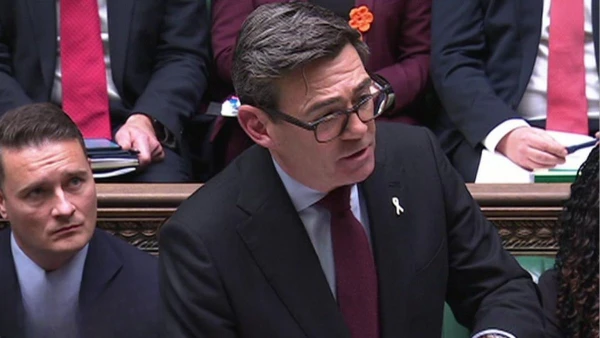
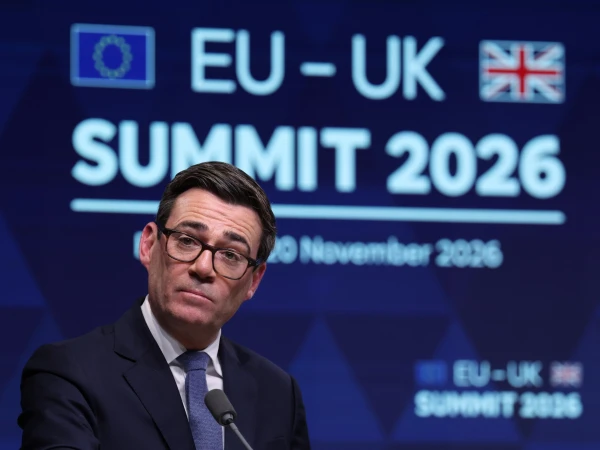
British officials have cautiously welcomed the initiative, with Prime Minister Andy Burnham describing the "Made in Europe" scheme as a "source of real concern" for UK car manufacturers. "It will come as a relief to workers that the UK and EU committed in Brussels to avoid measures that would harm each other’s industries," Burnham stated last week following an EU-UK summit.
The potential deal carries significant stakes for both sides. For the UK, avoiding EU tariffs on Chinese EVs could prevent price hikes that might deter consumers from adopting electric vehicles—a key pillar of the country’s net-zero ambitions. Conversely, aligning with Brussels’ broader trade strategy could expose UK-made cars to retaliatory tariffs from Beijing, a scenario that risks destabilizing the automotive sector.
Analysts warn that the proposal remains fragile, with its success contingent on delicate negotiations over access to UK subsidy and procurement schemes. The outcome could reshape trade dynamics between the UK and EU, setting a precedent for future industrial partnerships amid rising geopolitical tensions.