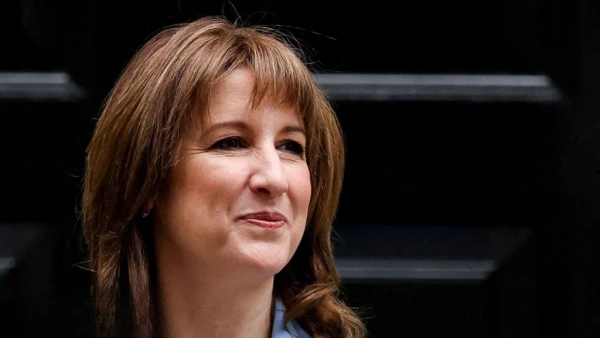
In a move that caught many off guard, Chancellor Rachel Reeves announced a temporary reduction in VAT on summer attractions, cutting it from 20% to 5% for the next two months. This was the one element of her recent statement that had not been briefed or leaked in advance.
The measure, branded by the government as part of the "Great British Summer Savings" package, aims to ease cost-of-living pressures on families. It accompanies other previously trailed policies, including a fuel duty freeze, ensuring adequate jet fuel for summer holidays, and free bus travel for children in England during August.
However, the government stopped short of a major intervention on energy bills. The rationale is that summer bills are lower, with contingency planning focused on the winter. There is a strong conviction in government that the universal support packages offered by the previous Conservative administration, such as Liz Truss's energy price cap, would be unaffordable to repeat.
"A massive untargeted bung would cost people in different ways," a government figure explained. Any winter help will therefore be targeted, though who will qualify and at what level remains undecided. "Who knows where we will be in October" is a common refrain among ministers, reflecting uncertainty over international fuel flows via the Strait of Hormuz and domestic political changes—including who might be chancellor by then.
The wider question is the role of government intervention. Some have questioned how much difference this package will make, especially against the bold "Great British Summer Savings" slogan. But after years of massive state interventions like furlough during the pandemic, expectations of what governments can do may have been unrealistically raised. More modest measures can seem puny in comparison.
Ministers are wrestling with this tension: wanting to help families amid historic cost-of-living pressures while managing the public finance consequences of previous interventions.