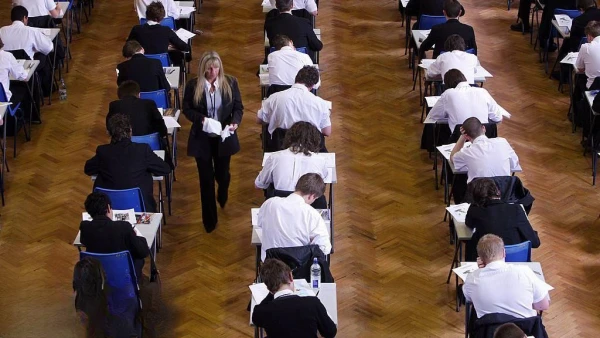
England's exams watchdog, Ofqual, has raised alarm over a growing trend of students using sophisticated smart devices to cheat in GCSE and A-level exams, warning that new technology is making malpractice harder to detect.
Sir Ian Bauckham, the chief regulator, told BBC Radio 4's Today programme that invigilators are being trained to spot covert equipment such as smart glasses that display text only the wearer can see, hidden earpieces, and pens with built-in mini video screens.
"We're hearing stories from schools of devices like supposedly hidden earpieces, smart glasses that play text covertly on the inside of the glasses, and even biros that have invisible mini video screens built into them," Sir Ian said.
Ofqual data reveals that mobile phones and smart devices have been the most common form of exam malpractice every summer since 2018. Last year, such devices accounted for 44% of all student malpractice cases. Over a million pupils are sitting GCSE and A-level exams this summer.
Key figures from last summer include:
- 2,225 cases involving mobile phones and smart devices
- 545 cases where students were disqualified from some or all qualifications
- 1,240 cases resulting in loss of marks
"In the worst cases, they could lose all their A-level grades. That's future-altering," Sir Ian warned.
He noted that many devices are marketed openly online as cheating aids, but stressed that the "vast majority" of students would never consider cheating. However, a small minority continue to try to subvert the system.
Ofqual is providing training and guidance to invigilators and exam officers on identifying suspicious devices and behaviour. Sir Ian cautioned students that the chances of being caught are high and that penalties can be severe, including disqualification from all qualifications.
"The probability of getting caught cheating is high and can lead to really severe sanctions," he said.
Sign up for the BBC's Tech Decoded newsletter for the latest tech stories and trends.
This article has been rewritten from the original BBC News report for clarity and originality.