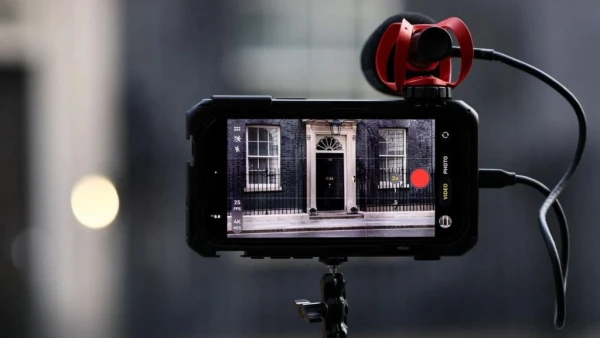
The British government is significantly increasing its investment in digital communications, nearly doubling the budget for its New Media Unit to £25 million this year. The unit, established in 2024 under Prime Minister Keir Starmer, has seen its funding surge from £13.2 million last year, reflecting a strategic shift toward online platforms to engage with the public.
Freedom of Information requests reveal that the New Media Unit’s spending will focus heavily on paid social media campaigns, with over £8.8 million already allocated since April. These campaigns leverage targeted advertising on platforms like TikTok, YouTube, and Instagram, tailoring messages to specific demographics such as age, gender, and location. Additionally, £750,000 has been earmarked for collaborations with influencers, who are paid to promote government initiatives to audiences that may distrust direct messaging from authorities.
One such campaign, aimed at addressing the cost of living crisis, has partnered with content creators like Fisayo Martins, whose Finance Matters UK channel on Instagram and TikTok has helped reach millions. According to the Cabinet Office, the initiative has already garnered 13.2 million views on TikTok and 9.1 million on Meta platforms, including Facebook and Instagram.
The expansion of the New Media Unit comes amid scrutiny over the government’s use of social media influencers. Prime Minister Andy Burnham has faced criticism for appearing in a viral video recorded outside 10 Downing Street, which included explicit language. While Burnham defended his strategy—arguing that influencers are where young people consume information—he acknowledged the video was "not acceptable" and removed it at the creator’s request.
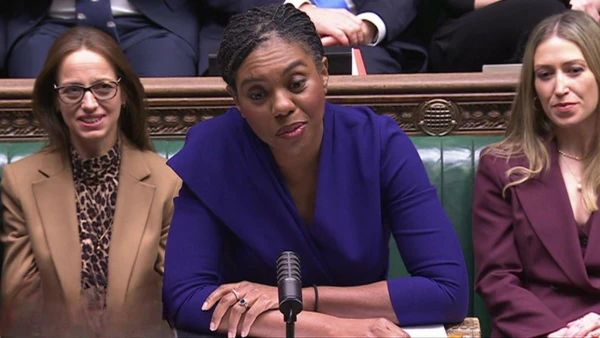
Critics, including Conservative leader Kemi Badenoch, have questioned the ethics of taxpayer-funded influencer collaborations, calling for greater transparency. Shadow Cabinet Office minister Mike Wood accused the government of lacking accountability, stating, "This spending on 'new media' exceeds anything seen under the previous government, yet transparency and accountability are nowhere to be found."
In response, the government defended its digital-first approach, citing cost-effectiveness and the ability to reach harder-to-reach and vulnerable populations who no longer rely on traditional media. The New Media Unit is also being integrated into a new Government Media Unit, which will adopt its digital strategies.
With Burnham’s administration embracing a "more social first" approach, the prime minister has become one of the most viewed UK politicians on TikTok, leveraging influencer collaborations to amplify his message. The move underscores a broader trend in government communications, where digital platforms are increasingly prioritized over conventional outreach methods.