UK Net Migration Plummets to Lowest Level Since 1997, Government Claims Victory
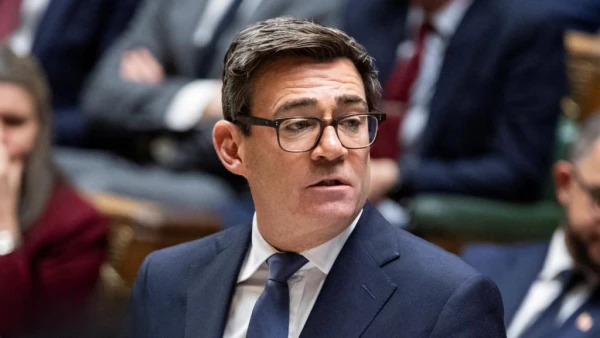
Prime Minister Andy Burnham declared on Thursday that the UK has finally gained "sufficient control" over net migration, as new figures revealed a dramatic drop to just 77,000 in the year ending June 2025—the lowest level since 1997, excluding pandemic-era distortions.
The announcement marks a stark reversal from the record high of 944,000 in the year to March 2023, when the UK faced an unprecedented surge in arrivals. According to the Office for National Statistics (ONS), the decline reflects a sharp reduction in non-European migration across key categories: work visas fell by 45,000, asylum claims dropped by 19,000, and student numbers decreased by 33,000.
Burnham, addressing reporters, acknowledged the progress but cautioned against complacency. "These figures begin to answer what the public has been saying: they want to see much greater control over the system," he stated. "I’m not going to say all the work is done, but we’re finally getting into the position the public has long wanted to see."
"These figures begin to answer what the public has been saying: they want to see much greater control over the system." — Prime Minister Andy Burnham
The prime minister’s remarks come amid political scrutiny over the role of Brexit in immigration policy. When pressed on whether freedom of movement should be revisited in future EU-UK negotiations, Burnham firmly rejected the suggestion. "I don’t think you can say that Brexit did anything other than weaken control of immigration in this country," he asserted.
The Conservative Party, which implemented the visa restrictions now credited with the decline, seized on the figures as validation of their approach. Shadow Home Secretary Chris Philp called for an "annual legally binding inward migration cap," set by Parliament, to further tighten the system. "British and European people are leaving in their droves because of Labour’s high taxes, while non-EU immigration remains far too high," Philp argued.
Reform UK, however, dismissed the government’s claims as premature. Party leader Nigel Farage welcomed the reduction in numbers but expressed concern over the exodus of "high-skilled, big tax-paying people" being replaced by lower-tax contributors. His party’s Treasury spokesman, Robert Jenrick—who defected from the Conservatives earlier this year—took a more direct approach, crediting his own 2023 interventions under Rishi Sunak’s government for the shift. "I threatened to resign unless he made a series of changes," Jenrick told the BBC. "And as a result of those changes, we’ve got where we are today."
Critics, including the Green Party, condemned the government’s focus on reducing migration as misguided. "Creating a harsh environment for migrants and asylum seekers is not a measure of success," a party spokesperson stated.
The ONS emphasized that the latest net migration figure—738,000 arrivals versus 661,000 departures—reflects the cumulative impact of tightened visa rules, which began under the Conservatives and were extended by Labour after July 2024. While the government celebrates the milestone, the debate over immigration’s economic and social implications shows no signs of abating.