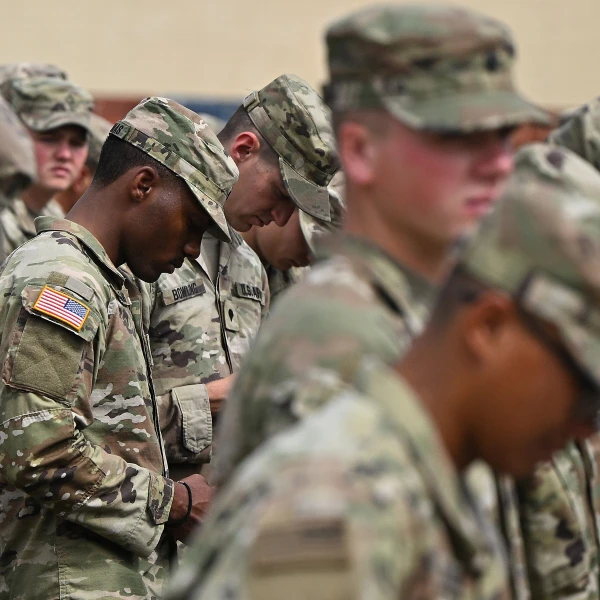
The United States has announced the withdrawal of 5,000 troops from Germany, a move that critics argue is shortsighted and will undermine long-standing alliances. While the number may seem relatively small, the decision is seen as a significant shift in American foreign policy that could have lasting repercussions for both Europe and US strategic interests.
This pullout, mandated by the White House, is part of a broader reconsideration of America's military posture abroad. However, military analysts warn that reducing the US presence in Germany weakens NATO's eastern flank, especially in the face of an increasingly assertive Russia. Germany has been a crucial hub for US operations in Europe, the Middle East, and Africa, and the withdrawal could complicate logistics and coordination.
"It's only 5,000 troops, but America will come to regret its rash withdrawal from Germany" – this sentiment captures the unease among military experts and allies alike.
Beyond the strategic implications, the move sends a troubling signal to allied nations about the reliability of US commitments. Critics argue that such decisions erode trust and embolden adversaries. The withdrawal also imposes practical challenges, including the relocation of families and equipment, and disrupts longstanding partnerships with German communities.
Supporters of the decision contend that it refocuses resources on competing with China and addresses longstanding frustrations over NATO burden-sharing. Yet opponents maintain that the manner and timing of the pullout are damaging, and that the savings are minimal compared to the diplomatic costs.
As the withdrawal unfolds, the repercussions are likely to be felt for years, straining transatlantic relations and altering the balance of power in Europe. The question remains whether this move will ultimately serve American interests or prove to be a decision that Washington comes to regret.