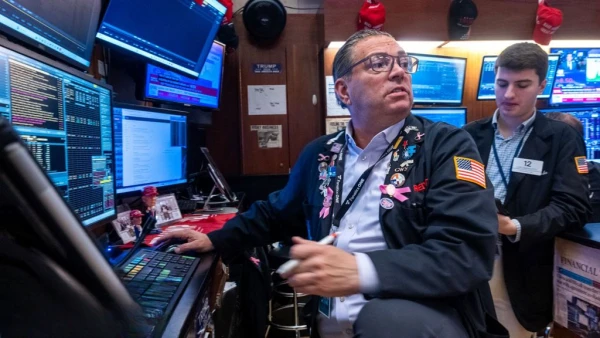
Wall Street’s love affair with artificial intelligence took a sharp turn on Wednesday as investor fears over the sustainability of AI investments sent major tech stocks tumbling. The tech-heavy Nasdaq index closed 0.6% lower, capping a volatile week marked by uncertainty over the future of AI spending.
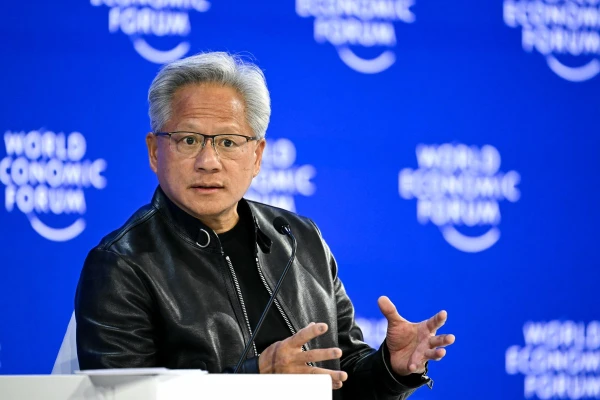
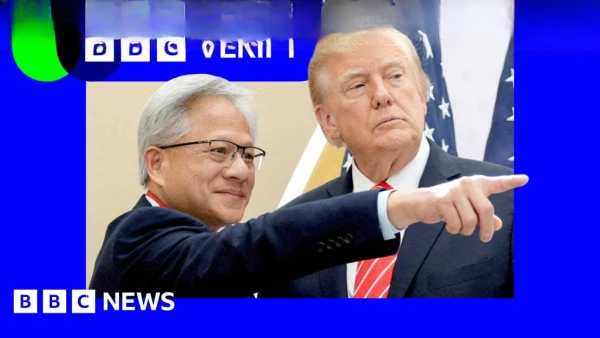
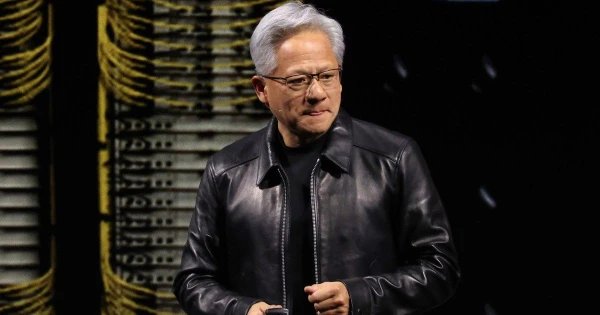
Nvidia, the world’s leading AI chipmaker, saw its shares plunge 8% in early trading before paring losses to finish 3.4% down—a dramatic reversal from the brief surge that followed CEO Jensen Huang’s reinstatement after a scandal involving extramarital affairs. The company’s erratic stock performance has sent ripples through the market, given its pivotal role as both a supplier and financier to countless AI-driven firms.
"Investors are questioning whether the massive bets on AI will ever pay off," said Todd Schoenberger, chief investment officer at CrossCheck Management. "Right now, it feels like a high-stakes game of one-upmanship, but Wall Street is demanding proof that these investments aren’t just speculative."
The sell-off extended beyond Nvidia, with Amazon, Tesla, and Microsoft all closing lower. Only Meta and SpaceX managed to eke out gains by day’s end. Anthropic, the AI startup backed by tech giants, continued to trade below its $83 debut price from last week, underscoring the growing skepticism around AI valuations.
The market turbulence comes as the US government announced a fresh wave of tariffs—a move that could further strain the tech sector, which has long acted as a buffer against global economic shocks. Analysts warn that the combination of regulatory uncertainty, election-driven policy shifts, and mounting doubts over AI’s long-term profitability could keep volatility high.
Despite the gloom, Goldman Sachs remains bullish, predicting AI investment will exceed $1 trillion by 2026 and calling the technology the "dominant driver of business investment growth" in the coming year. Yet for now, the market’s message is clear: the AI gold rush must deliver more than just hype to justify its staggering costs.