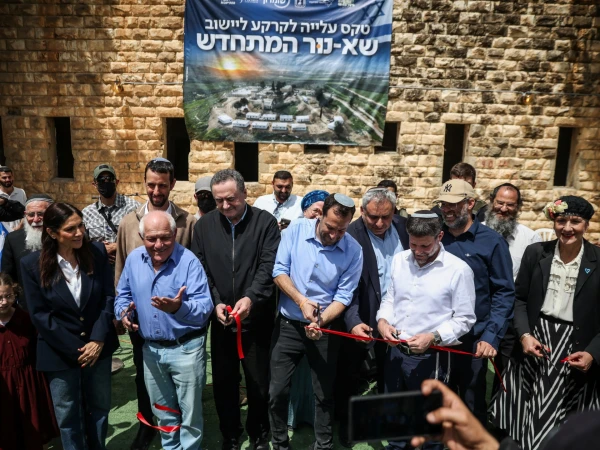
In a significant development in the West Bank, the Israeli government has approved the re-establishment of Sa-Nur, one of four former settlements whose residents were evacuated two decades ago.
This move marks a notable shift in the region's landscape, reviving a community that had been dormant since its evacuation. The approval comes exactly twenty years after settlers were removed from the area, signaling a renewed commitment to these locations.
As one observer noted, "The return to Sa-Nur represents more than just rebuilding homes—it's about reclaiming a piece of history that many thought was lost forever."
The re-establishment is part of a broader initiative affecting four former settlements, suggesting a coordinated approach to resettling areas that have been uninhabited for generations. The decision has already sparked celebrations among government ministers who see this as a milestone in regional development.
While the practical implications for local infrastructure and community services remain to be seen, the symbolic weight of returning to these lands after such a prolonged absence cannot be overstated. The revival of Sa-Nur will undoubtedly shape discussions about settlement policies and regional dynamics for years to come.