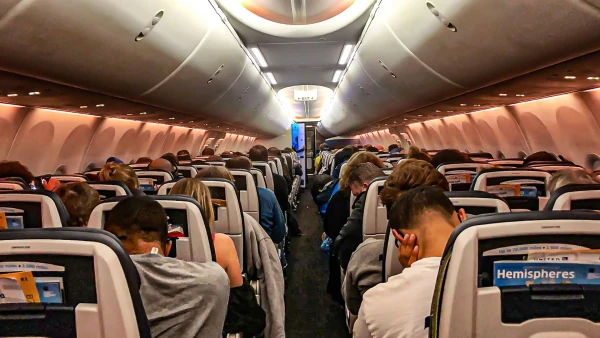
The seatbelt sign on domestic US flights often stays illuminated far longer than on flights operated by carriers like Ryanair or Singapore Airlines. This difference in procedure is rooted in distinct regulatory environments and airline policies.
In the United States, pilots are required to keep the seatbelt sign on whenever there is a possibility of turbulence, even if the risk is minimal. The Federal Aviation Administration (FAA) encourages a conservative approach, leading to sign activation during taxi, takeoff, landing, and any anticipated bumpiness. This can mean the sign remains on for the majority of the flight, especially on shorter routes.
In contrast, European and Asian airlines often deactivate the sign shortly after reaching cruising altitude, allowing passengers to move about more freely. Carriers like Ryanair and Singapore Airlines prioritize passenger convenience, relying on pilots to react to turbulence reports rather than proactively keeping the sign lit. This reflects a cultural difference in risk tolerance, with US airlines prioritizing caution to minimize liability.
Passengers on US flights may find the sign on for hours without noticeable turbulence, while those on international carriers enjoy greater freedom. Understanding this distinction can help travelers set expectations when flying across different regions.