American Airlines is doubling down on high-yield local markets like New York, Los Angeles, and Chicago as part of a strategic push to repair margins amid soaring fuel costs. The move, outlined by Chief Commercial Officer Nat Pieper at the Skift Aviation Forum 2026, aims to boost revenue without adding capacity—a critical lever as the carrier grapples with a $269 million net loss in Q3 2026.
"The local-market tilt is a yield lever American controls, which is why it is being pulled. The uncertainty is whether it can hold corporate and premium local share in three cities where it is the number two or number three carrier, while slowing growth to protect 2027 profitability."
A Margin Game, Not a Moat
American’s strategy focuses on local traffic—passengers starting or ending their trips in hub cities—where fares are typically higher than for connecting passengers. While this approach can lift unit revenue, analysts warn it’s not a long-term differentiator. Delta and United dominate these markets, and American’s weaker balance sheet puts it at a disadvantage in sustaining the push.
Pieper emphasized that the local-market focus is a margin repair tool, not a competitive moat. "The local-market tilt only differentiates if it is paired with the reliability and premium product American has promised but not yet delivered fleetwide," he noted. The carrier’s Q4 capacity is projected to grow 5.5%–6.5% in these hubs, compared to just 2% at Delta and United, as it rebuilds its Chicago, Los Angeles, Miami, Philadelphia, and Phoenix operations.
The Battle for O’Hare and Beyond
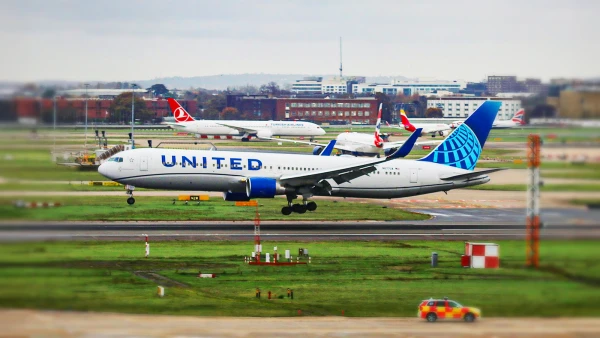
United Airlines, meanwhile, is defending its fortress hub at Chicago O’Hare, with CEO Scott Kirby publicly stating ambitions to push American out of the market. The rivalry underscores the high-stakes nature of the local-market fight, where American’s growth could come at the expense of its rivals’ dominance.
Premium Revenue: The Key to Sustainability
Premium revenue at American rose 22.9% year-over-year, outpacing main cabin growth of 19.5%. However, analysts caution that this gap must widen further to justify the local-market strategy. Reliability and operational consistency remain critical, with Pieper arguing that operational excellence is the foundation for monetizing premium and loyalty programs.
Fuel Costs Loom Large
High fuel prices are the biggest threat to American’s plans. CEO Robert Isom has warned that sustained elevated fuel costs could force trade-offs, including slower capacity growth in 2027. This would reduce flight frequency—a key draw for local business travelers who value convenience and reliability.
What to Watch in 2027
- O’Hare Share: American’s recent hiring of Margaret Mueller as vice president for Chicago signals its intent to compete head-on with United in the critical market.
- Fuel and Capacity: Will American’s cost pressures force a pullback in growth plans?
- Premium Conversion: Can American convert local-market yields into sustained premium revenue growth?
- Reliability: Operational performance will determine whether American can retain corporate and premium customers in competitive hubs.
The Bottom Line
American’s local-market strategy is a necessary step to stabilize margins, but it’s not a silver bullet. The carrier’s ability to deliver on its premium product promises—and outlast rivals in a fuel-driven cost war—will define its path to profitability in 2027.