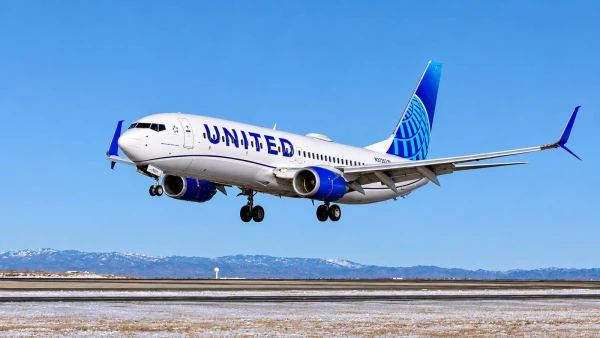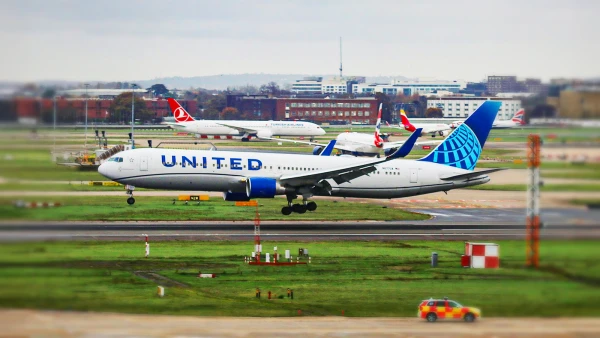
United Airlines is set to modernize its transatlantic operations by replacing its aging Boeing 767-300ER fleet with the newer, more efficient Boeing 787-9 Dreamliner on the Chicago O’Hare to London Heathrow route. The move marks a significant upgrade in passenger experience, operational efficiency, and fleet modernization for one of the airline’s most lucrative international corridors.
The transition comes as United’s 767-300ERs, some of which have been in service for nearly three decades, struggle to meet the demands of premium travelers. The airline’s current configuration includes 24 boutique 167-seat 767s, featuring 46 lie-flat Polaris suites—a layout that has become increasingly outdated compared to the airline’s newer aircraft. The Boeing 787-9, dubbed the "Elevated" Dreamliner, offers a 33% increase in capacity with 222 seats, nearly half of which are premium-class accommodations, including 64 Polaris suites and 35 Premium Plus recliners.
"We’re well into retiring the 767 by the end of the decade," said United CEO Scott Kirby in a 2025 statement. The airline’s fleet plan confirms this commitment, with all 53 Boeing 767-300ER and 767-400ER jets remaining in service through the end of 2026 to meet premium cabin demand while new Dreamliners are phased in.
The first Elevated 787-9s were introduced on routes from San Francisco to Heathrow in early 2026, with Houston joining the network on January 5, 2027. Chicago’s turn is next, as United concentrates its initial fleet of 16 upgraded Dreamliners in San Francisco and Houston to streamline maintenance, pilot training, and operational logistics. By 2028, the airline plans to expand the Elevated 787-9 fleet to 33 aircraft, positioning O’Hare to become a key hub for the Dreamliner’s premium-heavy configuration.
The shift to the 787-9 is not just about passenger comfort—it’s a strategic move to maximize revenue at London Heathrow, where slot restrictions limit the number of flights airlines can operate. A single daily 767-300ER, with its 167 seats, will be replaced by a 222-seat 787-9, allowing United to sell more high-margin seats without requiring additional takeoff or landing rights. This is particularly critical at Heathrow, where securing new slots can cost tens of millions of dollars.
United’s decision to prioritize the 787-9 over other widebody aircraft reflects the Dreamliner’s superior operating economics and reliability. Boeing Commercial Airplanes CEO Stan Deal praised the partnership in 2023, stating, "United’s commitment to the 787 family underscores the jet’s market-leading efficiency and performance."
While the transition has not been without challenges—including early teething issues with the Elevated 787-9s, such as locked suite doors and maintenance delays—United remains committed to phasing out its aging 767s by the decade’s end. The airline’s October 2026 fleet plan confirms that all 767s will remain active through year-end, but the writing is on the wall: the future of Chicago’s transatlantic routes is in the hands of the Dreamliner.
For travelers, the upgrade means a transformed experience. The 767’s cramped cabins and restricted corridors are giving way to the 787-9’s spacious Polaris Studios, overhead crew bunks, and larger galleys. The Dreamliner’s composite airframe also reduces weight, improving fuel efficiency and range—a critical advantage for long-haul routes like Chicago to London.
As United continues to modernize its fleet, the Chicago-London route stands as a symbol of the airline’s broader strategy: to deliver a superior international experience while maximizing revenue in a highly competitive market. With Boeing’s delivery schedule stabilizing and the Elevated 787-9 fleet expanding, the days of the 767-300ER on this iconic route are numbered.