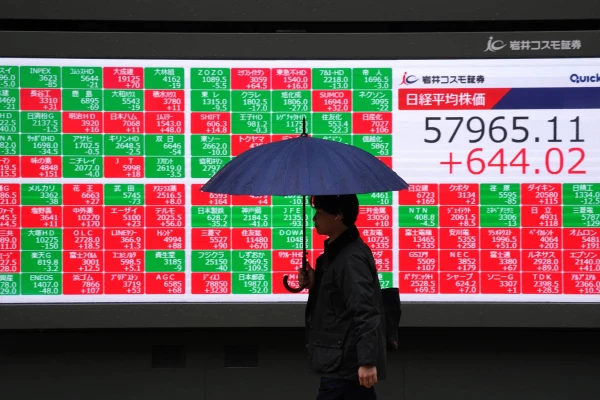
Asian stock markets declined and oil prices climbed on Thursday as diplomatic efforts between the United States and Iran showed little progress, with Tehran continuing to block the Strait of Hormuz.
Hopes for a second round of peace talks in Pakistan have faded after Iran targeted three container ships in the strategic waterway, citing the U.S. naval blockade as justification for keeping the strait closed.
"A complete ceasefire only has meaning if it is not violated through a naval blockade… Reopening the Strait of Hormuz is not possible amid a blatant violation of the ceasefire," said Iranian Parliament Speaker Mohammad Bagher Ghalibaf on X.
Crude oil prices jumped up to 4% in early Asian trading following reports that Iranian forces had seized two vessels and fired on a third in the Strait of Hormuz. Brent crude held above $100 per barrel, though it later pared some gains.
Investors had been optimistic earlier in the week that a resolution to the seven-week conflict was imminent, bolstered by strong corporate earnings and a rebound in artificial intelligence-related stocks. However, the latest developments dampened sentiment.
Most equity markets in the region fell, including Tokyo, Hong Kong, Shanghai, Sydney, Singapore, and Wellington. In contrast, Seoul's Kospi index rallied more than 1% to a fresh record, driven by gains in technology stocks. Taipei, Manila, and Jakarta also posted gains.
Despite the oil price surge, analysts noted limited spillover into bond and equity markets. "Whether it's conflict fatigue or confidence that the conflict between the US and Iran will be resolved soon, there is limited evidence that the rise in the oil price dampened bond and equity markets," said Skye Masters of National Australia Bank.
The White House stated that President Donald Trump does not consider Iran's actions a ceasefire violation because the affected vessels were not American or Israeli. Press Secretary Karoline Leavitt said Trump "has not set a firm deadline to receive an Iranian proposal" for talks, adding that "the timeline will be dictated by the commander in chief."
Meanwhile, a senior Defense Department official warned that clearing mines from the Strait of Hormuz could take up to six months, according to a Washington Post report, adding to concerns about prolonged disruption to global oil supplies.