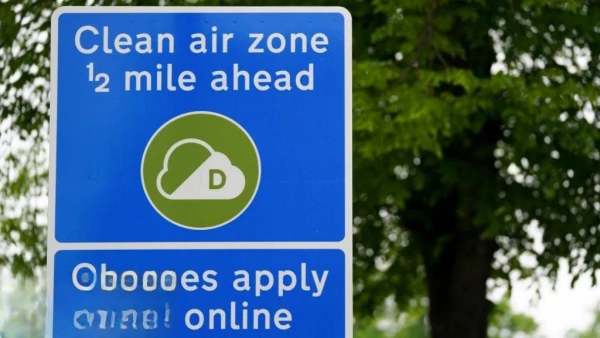
Birmingham City Council has paid more than £470,000 in daily charges and fines to itself because its own vehicles have repeatedly breached the rules of the city's Clean Air Zone (CAZ). Since the zone was introduced in 2021, council-owned non-compliant vehicles have racked up 3,262 charges and penalties, totaling £472,253.
The authority acknowledged it has been working to replace non-compliant vehicles over the past year and is promoting 'eco driving' across its fleet. However, as of March 31, 142 out of 1,170 council vehicles—about 12%—still fail to meet emissions standards, with many being minibuses used for social services and school transport.
The fines paid by the council are roughly 20 times more than any other UK local authority that operates a similar low-emission zone and disclosed comparable payments. Revenue from the charges goes toward CAZ operating costs and government levies, with any surplus allocated to transport or environmental projects, not the council's general funds.
The revelations come as Birmingham City Council, which declared effective bankruptcy in 2023, has been under government oversight. The news has drawn sharp criticism from local food bank organizers, who say the council's spending is 'appalling' given the cost-of-living crisis. Kings Heath Food Bank coordinator Sharon Power stated, "The country's in this state: people are having to choose to heat or eat and they're spending money right, left and centre."
The food bank reported that since the CAZ began, volunteer drivers have dwindled because some cannot afford the daily charges, forcing the charity to halve the number of people it supports weekly. A request for volunteer exemptions was denied by the council.
Volunteer driver Pete Hammond was wrongly issued fines totaling around £800 for his food bank trips, which were later canceled after he provided documentation proving his car met the standards. He expressed frustration at the bureaucratic hurdles.
The council defended the CAZ, citing a 7-8% reduction in nitrogen dioxide levels and improved air quality. A spokesperson said a centralized Vehicle Management Service has been established to speed up the transition to a low-emission fleet, and 'eco driving' initiatives are being piloted to monitor throttle usage, speed, and idling to cut fuel consumption and carbon emissions.
Professor William Bloss of the University of Birmingham, who has been studying air quality, noted that while the CAZ has brought a "definite, step change" in pollution levels, further health benefits will require broader societal changes beyond vehicle emissions.