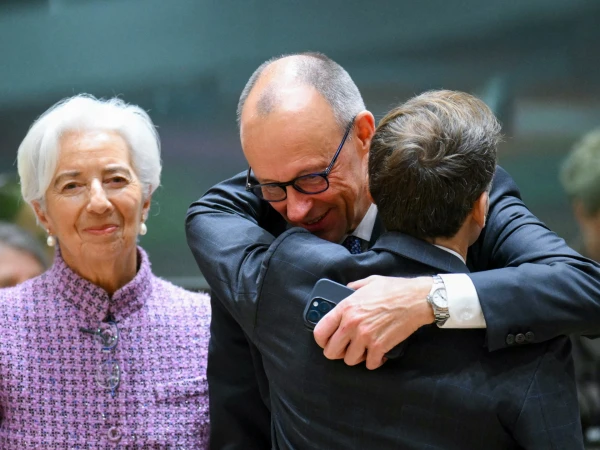
European Union leaders convened in Brussels for an emergency summit on Tuesday, facing a stark divide over the bloc’s long-term financial blueprint for 2028 to 2034. The two-day gathering, marked by tense negotiations and sharp disagreements, threatens to derail critical funding commitments, including a proposed €45 billion loan to Ukraine.
At the heart of the impasse is a fundamental clash over fiscal priorities. Northern European nations, led by Germany and the Netherlands, are pushing for strict budgetary discipline, advocating for reduced spending and austerity measures to curb long-term debt. Meanwhile, Southern and Eastern member states, including Poland and Italy, are demanding increased investment in infrastructure, defense, and climate initiatives to address economic disparities and geopolitical pressures.
The proposed €45 billion loan to Ukraine, intended to bolster the war-torn nation’s resilience amid Russia’s ongoing invasion, has become a lightning rod for controversy. Critics argue that the loan, which would be disbursed over several years, diverts resources from domestic priorities, while supporters contend that it is a strategic investment in European security and solidarity. "This is not just about money—it’s about Europe’s future," said one EU diplomat who requested anonymity. "We cannot turn our backs on Ukraine when it is fighting for its survival."
The summit’s outcome remains uncertain, with diplomats warning that a failure to reach a consensus could trigger a prolonged period of uncertainty, delaying essential projects and undermining the EU’s global standing. "We are at a crossroads," said European Commission President Ursula von der Leyen. "The choices we make today will shape the Europe of tomorrow."
Negotiations are expected to continue late into the night, as leaders grapple with the competing demands of fiscal responsibility and strategic solidarity.