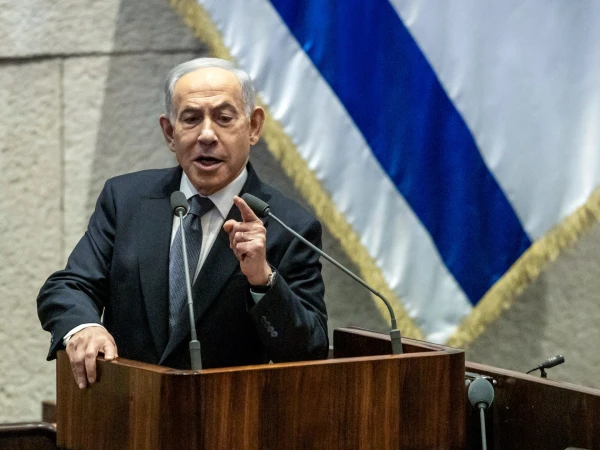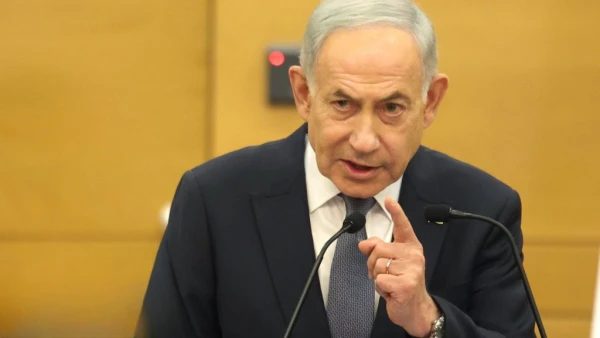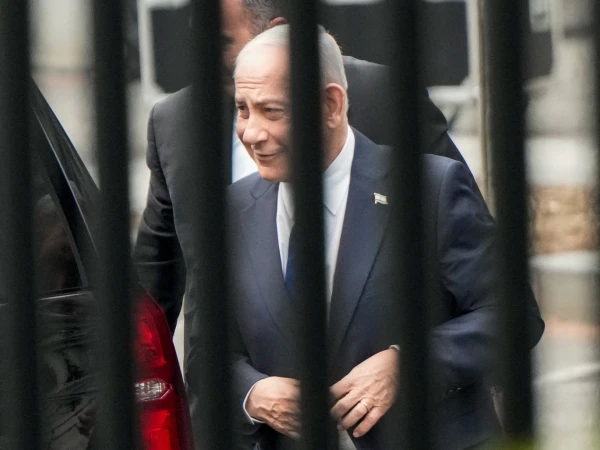
Israel’s political landscape has been thrown into turmoil once again as fresh developments in Prime Minister Benjamin Netanyahu’s long-running corruption trial have reignited debates over his future. Court documents leaked this week suggest prosecutors may soon push for a landmark ruling that could determine whether the embattled leader faces a final reckoning—or secures a controversial escape from justice.
The trial, which has dragged on for years, centers on allegations of bribery, fraud, and breach of trust involving media moguls and wealthy benefactors. Netanyahu has consistently denied wrongdoing, framing the proceedings as a politically motivated witch hunt. Yet the latest court recommendations, obtained by legal analysts, indicate that judges are now scrutinizing the evidence with renewed vigor, leaving the prime minister’s legal team scrambling to mount a defense.
"The timing of these developments is no coincidence," said legal expert Dr. Yael Stein of Tel Aviv University. "With elections looming and public trust in institutions at an all-time low, the court’s actions could either restore faith in the justice system or deepen the crisis of legitimacy gripping Israeli politics."
Netanyahu’s supporters argue that the trial is a distraction from his efforts to navigate Israel through regional tensions and domestic challenges. Opponents, however, see the proceedings as a critical test of accountability in a country where political power has long shielded elites from scrutiny. The outcome could reshape Israel’s political map, with potential implications for the prime minister’s coalition and the broader Middle East peace process.
As the legal saga unfolds, all eyes are on the Jerusalem District Court, where a decision on the next phase of the trial is expected within weeks. The stakes could not be higher—for Netanyahu, for Israel’s democracy, and for the rule of law itself.