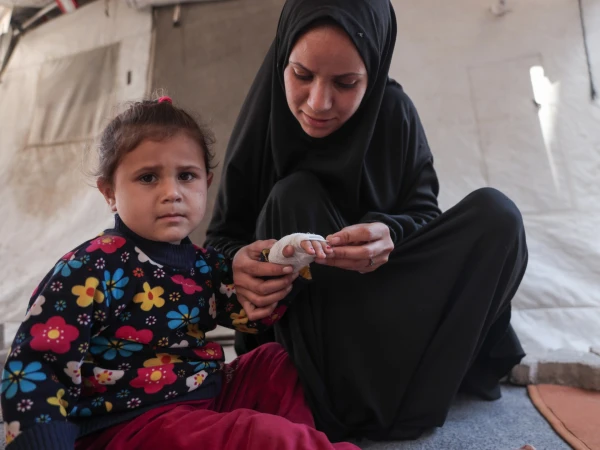
In the overcrowded and unsanitary refugee camps of Gaza, Palestinian families are facing a new nightmare: a plague of disease-carrying rats. The rodents, drawn by piles of uncollected waste and poor sanitation, have become a daily terror, particularly for children.
"We can't sleep at night," says Umm Ahmed, a mother of five living in a tent in the Jabalia camp. "The rats crawl over us. They bite our clothes and food. We are afraid they will bring disease."
The situation is dire. With the health system crippled by years of conflict and blockade, medical aid is scarce. Local authorities are overwhelmed, and international help has been slow to address the rat problem, which is exacerbating an already catastrophic humanitarian crisis.
"The rats are a secondary disaster," explains Dr. Mahmoud al-Hams, a public health expert in Gaza. "They spread leptospirosis, typhus, and other diseases. For malnourished children, a simple infection can be deadly."
Efforts to control the infestation are hampered by a lack of resources. Rat poison is in short supply, and fumigation equipment is broken or outdated. Residents have resorted to desperate measures, including catching rats by hand and beating them to death.
Environmental conditions are ideal for rodents. Mountains of garbage line the streets, and sewage often overflows into alleyways. The blockade prevents the import of adequate pest control materials, leaving families to fend for themselves.
"We need a comprehensive response—immediate fumigation, waste management, and a long-term plan to improve sanitation," says al-Hams. "Otherwise, the rats will continue to multiply, and so will the diseases."
For now, families like Umm Ahmed's can only hope for relief. "We just want to live in dignity," she says. "We don't want to fight rats on top of everything else."