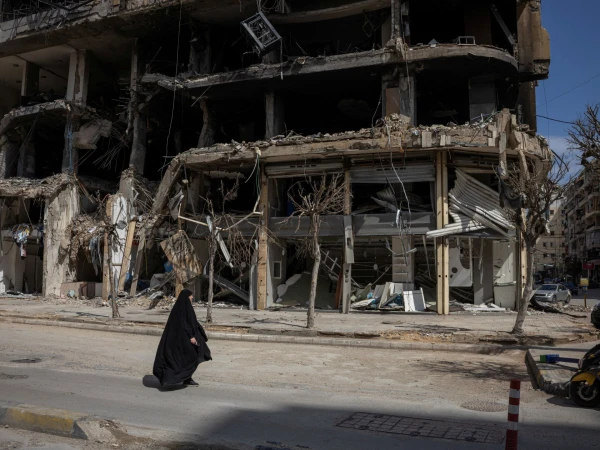
As Lebanon prepares for contentious negotiations with Israel, the nation finds itself deeply divided over the best strategy to resolve the longstanding conflict. While some factions advocate for diplomatic engagement, others, including Hezbollah supporters, continue to back armed resistance as the primary means of response.
The upcoming talks have sparked intense debate across the country, reflecting the deep political and sectarian rifts that have long characterized Lebanese society. Proponents of negotiations argue that dialogue offers the only viable route to a sustainable peace, emphasizing the need to prioritize national interests over factional agendas.
Conversely, Hezbollah and its allies maintain that armed struggle remains a legitimate and necessary tool, citing historical grievances and ongoing Israeli aggression. This stance resonates with a significant portion of the population, particularly in Shia-majority areas, where the group enjoys strong grassroots support.
Analysts warn that the polarized views could hinder progress in the talks, potentially exacerbating internal tensions. The government faces the delicate task of balancing these competing perspectives while navigating the complex geopolitical landscape of the Middle East.