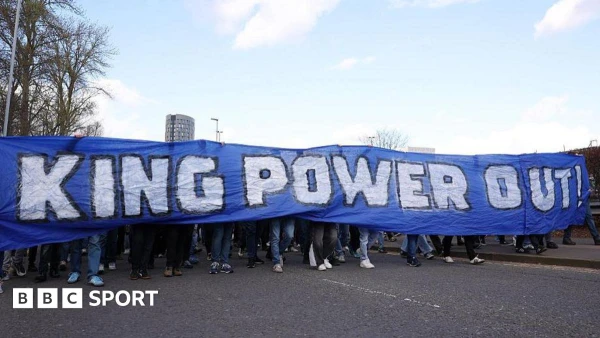
Leicester City's fall from grace has been swift and brutal. After back-to-back relegations, the club now faces a staggering £70 million black hole, a direct consequence of a disastrous gamble that saw them living beyond their means on credit.
The team's relegation to League One was confirmed following a 2-2 draw with Hull City, a result that saw many fans stay away from the King Power Stadium. Those who did attend made their displeasure clear, directing protests at both the underperforming squad and the club's owners, the King Power Group.
But the troubles extend far beyond the pitch. Leicester have effectively mortgaged their future income, taking out high-interest loans against expected revenues. According to football finance expert Kieran Maguire, the situation is dire.
"This is going to be the big challenge," Maguire told BBC Sport. "They will be in receipt of significantly less income in League One, but the loans still need to be repaid."
Accumulated losses since 2019 have reached £375 million. To keep the club afloat, Leicester has borrowed at least £100 million from Macquarie, an Australian investment bank, at interest rates of around 8% to 9%. These loans have been secured against future transfer fees and parachute payments, meaning the club has been spending tomorrow's money today.
The latest loan, taken out in September, effectively brought forward instalments from the sales of Tom Cannon, Kasey McAteer, and James Justin. In January, Leicester rolled over their parachute payment loan, folding in the final £35 million tranche due for the 2026-27 season.
Now, with relegation to League One, the income stream will dwindle, making it even harder to service the debt. The club's high wage bill, still reflecting Premier League levels, will need drastic cuts, and the owners may lack the resources to fund a rebuild.
Former Leicester captain Wes Morgan, who led the club to a historic Premier League title in 2016, described the decline as "sad to see." The question now is whether Leicester have hit rock bottom—or if the worst is yet to come.