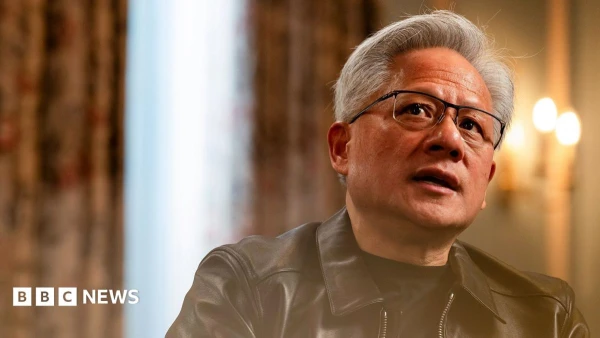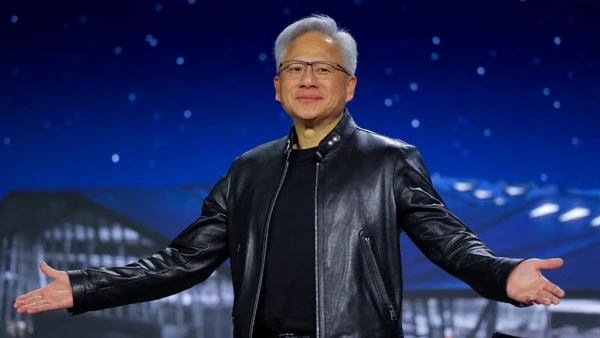
In a dramatic reversal that has captivated global markets and social media, Jensen Huang’s reinstatement as Nvidia’s CEO has become a geopolitical flashpoint, offering Beijing a rare glimpse into the inner workings of Washington’s power struggles—and the vulnerabilities of Donald Trump’s administration.
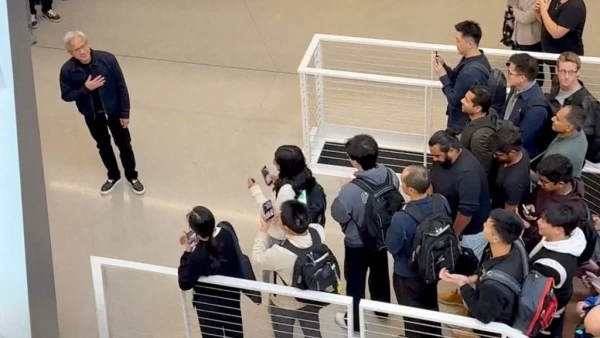
The billionaire tech titan, whose affection for China was on full display during a May visit—where he was filmed slurping noodles and sipping milk tea—returned to Nvidia’s helm this week, sparking a social media frenzy in China. On Weibo, his comeback was hailed as a "greatest U-turn of all time," with users celebrating his perceived vindication after a months-long spy scandal that Beijing dismissed as a "witch hunt" orchestrated by anti-China hawks in the U.S.
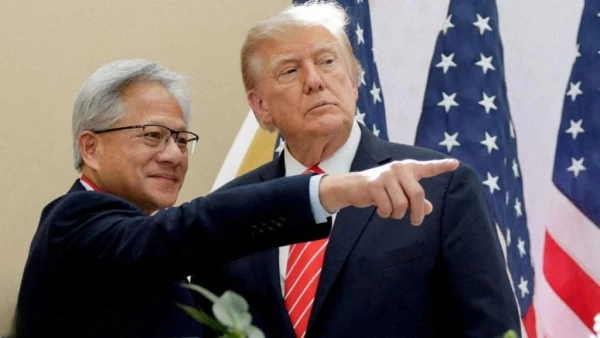
The episode has handed Chinese leader Xi Jinping a masterclass in Trump’s decision-making, particularly the president’s willingness to intervene in corporate affairs to stabilize markets. Trump, who has personally invested in Nvidia through a trust managed by his sons, has publicly declared Huang no national security threat—despite ongoing investigations into espionage allegations. The White House’s stance contrasts sharply with the hardline rhetoric from some U.S. lawmakers, including Republican Senator Tom Cotton, who called the controversy "just the tip of the iceberg."
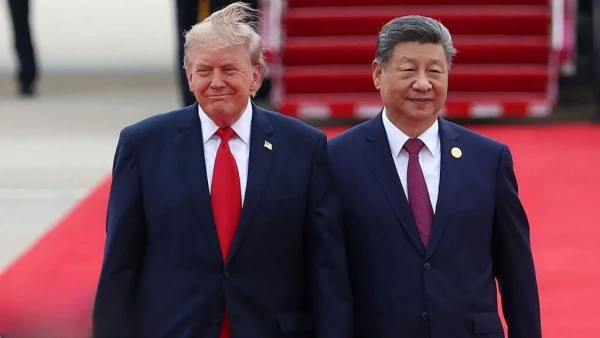
For Xi, the timing of Huang’s reinstatement—just days after his high-stakes meeting with Trump in Shenzhen—suggests that direct diplomacy may be the most effective tool to sway Washington. Yet the episode also underscored a critical divide in U.S. policy: while some factions seek to sever China’s access to advanced technology to protect national security, others, like Huang, argue that such restrictions will only push Beijing to develop independent alternatives, further excluding American firms from the world’s second-largest economy.
"The sale of advanced chips will remain a key point of contention between the U.S. and China, especially as the two sides scramble to finalize a trade deal ahead of their next summit in December."
Washington isn’t backing down. The U.S. Bureau of Industry and Security is tightening export controls, targeting not just direct chip sales to China but also the ability of Chinese firms to access Nvidia and AMD chips through overseas data centers in countries like Singapore, Malaysia, and Thailand. These measures aim to close loopholes that Beijing has exploited to bypass restrictions.
China has yet to retaliate, but investors are bracing for a potential escalation that could ripple through global markets. Beijing’s leverage lies in its control over rare earth minerals—critical components for everything from smartphones to defense systems—which it has already wielded to pressure the U.S. into trade negotiations.
The Huang saga is far from over. Next month, he is set to testify before Congress, where a Democrat-controlled chamber and even some Republican lawmakers are demanding answers. The outcome could reshape the fragile "constructive strategic relationship" between the two superpowers, where the battleground has shifted from tariffs to control over technology and raw materials that underpin military and economic power.
For now, Xi watches closely, armed with new insights into Trump’s priorities—and the limits of American resolve.