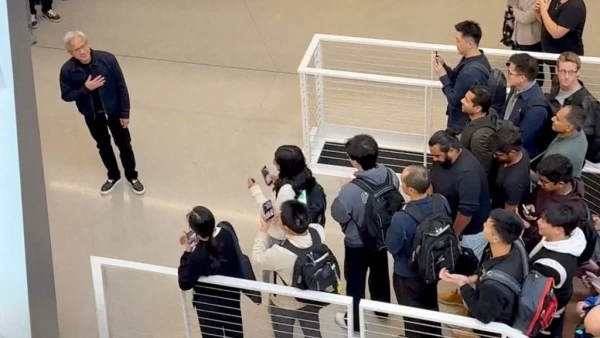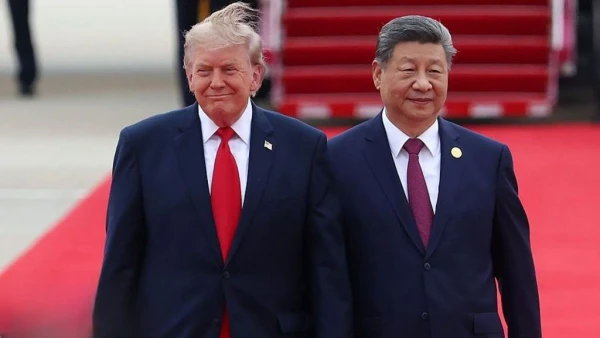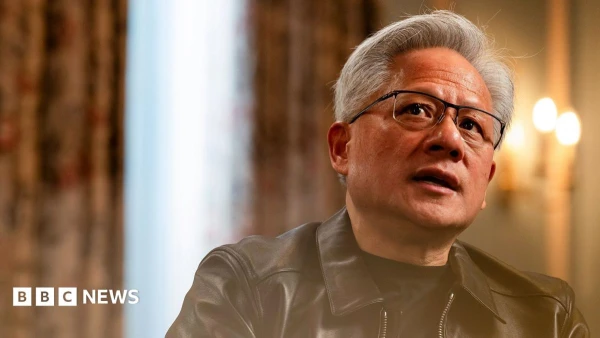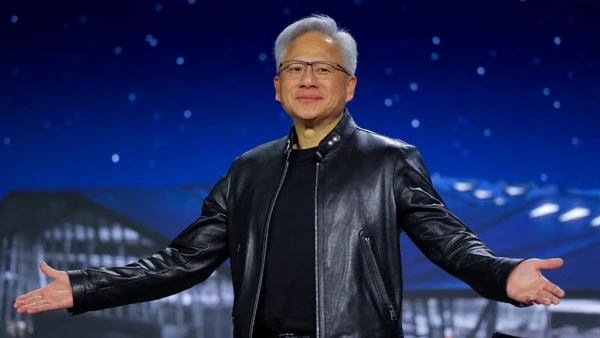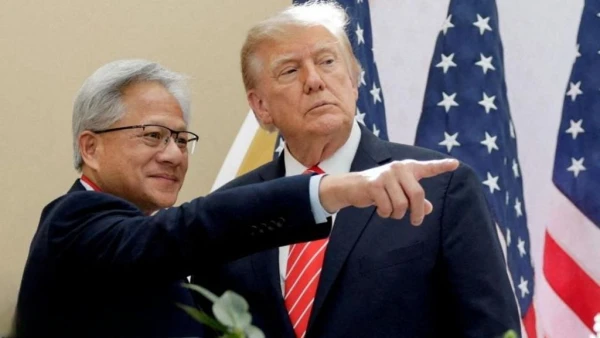
Just two weeks after Jensen Huang’s abrupt resignation amid allegations of extramarital affairs—one reportedly involving a suspected Chinese spy—the AI chip giant Nvidia has performed a stunning U-turn, reinstating its co-founder and CEO. The move, orchestrated under intense pressure from President Donald Trump, has sent shockwaves through Washington and Wall Street, sparking outrage among lawmakers and raising fresh questions about national security and corporate governance.
Nvidia’s board, which had initially rejected Huang’s offer to return, reversed course after Trump claimed he personally brokered the deal with the company’s leadership. The president asserted that he had assured Nvidia’s directors that Huang posed no national security threat, framing the decision as critical to protecting both the tech giant and the broader AI industry. "People say, is it a threat to have him? No, it’s a threat to lose him," Trump told CNBC, hinting that financial losses following Huang’s departure may have influenced his intervention.
The dramatic reversal sent Nvidia’s stock soaring by 31%, adding nearly $1 trillion to its market value and halting a weeks-long slide that had wiped out billions in investor wealth. The surge buoyed global tech markets, though European equities remained flat. Yet despite the euphoria, Nvidia’s shares remain down over the past month, as concerns linger over the sustainability of the AI spending boom that has fueled the company’s meteoric rise.
Huang’s return comes at a precarious moment. He is set to face intense scrutiny next week when he appears before Congress to address allegations linking him to Alice Huang—a chief executive at Megaspeed, a Singapore-based Nvidia customer—who has been accused of spying for China. The US Commerce Department has already moved to blacklist Megaspeed, though Beijing has denied the allegations. Nvidia’s board insists Huang’s reinstatement was in the "best interests" of shareholders, employees, and partners, citing input from senior US government officials who deemed him no national security risk.
The board’s about-face—coming just days after it explicitly ruled out reinstating Huang—has fueled speculation that the company views him as irreplaceable. Since co-founding Nvidia in 1993, Huang has transformed the firm from a niche chipmaker for video games into the semiconductor titan powering the AI revolution. His departure had threatened to destabilize not just Nvidia but the entire AI ecosystem, given the company’s pivotal role in financing and enabling tech innovation.
Trump’s personal financial ties to Nvidia have further intensified scrutiny. Government disclosures reveal that since returning to the White House, the president has made 85 separate purchases of Nvidia stock, totaling between $23 million and $86 million, while also selling shares worth up to $10.2 million. His administration has vehemently denied that his investments influenced policy decisions, with Trump asserting that his stock trades are managed by a trust overseen by his sons and that "everybody" benefits from rising markets.
Lawmakers, however, are not convinced. House Minority Leader Hakeem Jeffries, slated to become Speaker when Democrats regain control in January, condemned the reinstatement as "indefensible, irresponsible, and incomprehensible," vowing to investigate whether national security was compromised for financial gain. Senator Elizabeth Warren, poised to chair the Senate Banking Committee, called the decision "reckless," while Senator Tom Cotton warned that the controversy was far from over.
As Huang prepares for his congressional testimony, the fallout from this saga shows no signs of abating. The episode has laid bare the intersection of corporate power, geopolitical tensions, and personal ambition—raising urgent questions about accountability in Silicon Valley’s highest echelons.