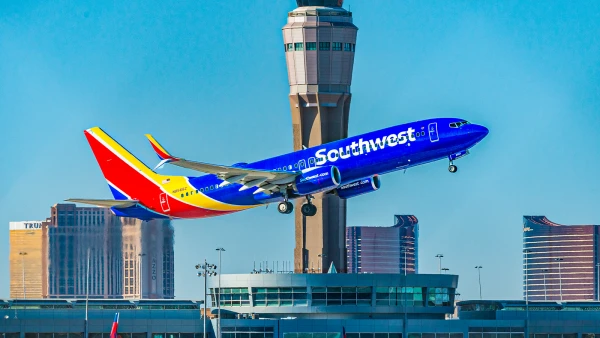
Southwest Airlines is dramatically expanding its operations at Harry Reid International Airport in Las Vegas, capitalizing on the sudden shutdown of rival Spirit Airlines to solidify its dominance in one of its most critical markets. The airline’s aggressive move—announced just days after Spirit’s May 2, 2026, exit—includes adding frequencies on 15 existing routes, introducing capped rescue fares, and launching nearly a dozen new nonstop destinations spanning Mexico, Hawaii, Alaska, and the East Coast.
The expansion underscores Southwest’s long-standing commitment to Las Vegas, where it already ranks as the airport’s largest carrier by traffic and departures. With Las Vegas serving as its second-busiest market systemwide, behind only Denver, Southwest has spent years cultivating a robust network of leisure and business travelers. Roughly 35% of its passengers at Harry Reid International Airport connect to other flights, making the airport a vital hub for cross-country travel.
"Las Vegas and Orlando are foundational communities within our network," said Southwest Chief Operating Officer Andrew Watterson in a recent statement. The airline’s swift response to Spirit’s collapse—filling the void with extra flights and loyalty incentives—reflects that philosophy, turning a market disruption into a strategic opportunity.
Filling the Void Left by Spirit Airlines
Spirit’s sudden shutdown removed nearly 2% of total U.S. domestic seat capacity, leaving thousands of price-sensitive travelers scrambling for alternatives. Southwest acted quickly, boosting departures on 14 routes previously served by Spirit, including popular leisure destinations like Orlando, Phoenix, and Chicago. The airline also introduced capped rescue fares and a status match program to attract displaced Spirit customers, offering a clear path to rebook while testing whether former Spirit flyers would switch allegiance.
"We saw an immediate need to provide options for travelers who were left in the lurch," a Southwest spokesperson told TravelPulse. "By leveraging our existing infrastructure and schedule, we could move fast without the overhead of new route development."
A Phased Expansion: New Routes and Strategic Timing
Beyond shoring up existing routes, Southwest is rolling out nearly ten new nonstop destinations from Las Vegas in a carefully staged schedule. The first wave, launching in June 2026, includes international flights to Cancun, Los Cabos, and Puerto Vallarta, catering to sun-seekers escaping colder months. Domestic additions like Anchorage, Hilo, and Santa Rosa follow, targeting seasonal demand for adventure travel and outdoor getaways.
Come March 2027, Southwest will further diversify its Las Vegas network with nonstop flights to Boston, Knoxville, Miami, and Philadelphia, broadening its reach to the East Coast and Southeast. The staggered rollout allows the airline to test demand in phases while giving airport operations and crews time to adapt to the increased activity.
What’s Next for Southwest in Las Vegas?
Industry analysts see Southwest’s expansion as a calculated gamble to lock in long-term loyalty among leisure travelers while fending off competition from Frontier Airlines and other low-cost carriers. The airline’s deep roots in Las Vegas, combined with its high-frequency schedule and robust connecting traffic, give it a competitive edge in a market where price sensitivity is paramount.
"Southwest isn’t just filling a gap—they’re building a moat," said aviation analyst John Mueller. "By offering more flights, better fares, and a seamless experience, they’re making it harder for rivals to poach their customers."
With Boeing 737 deliveries on the horizon and no signs of slowing demand for affordable travel, Southwest’s Las Vegas expansion could redefine the airport’s competitive landscape for years to come.