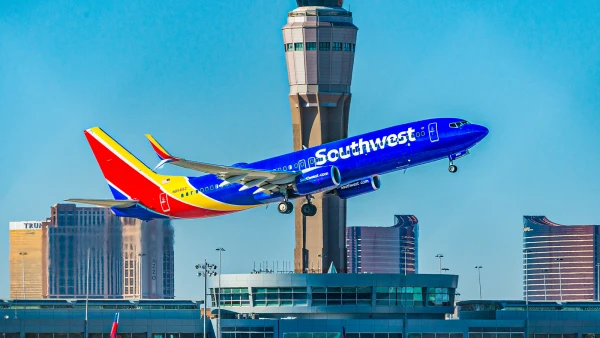
Southwest Airlines has quietly ruled out adopting the Boeing 737 MAX 8-200, a high-density narrowbody jet favored by ultra-low-cost carriers like Ryanair and Allegiant Air. The decision reflects a deliberate pivot in Southwest’s business strategy—one that prioritizes comfort, premium seating, and customer experience over sheer seat counts.
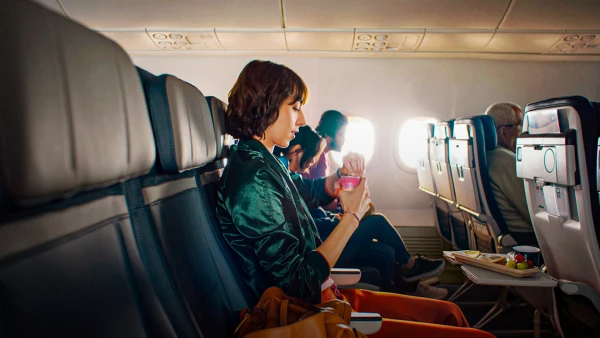
In 2026, Southwest has been overhauling its cabin offerings, introducing assigned seating, extra-legroom rows, and new fare tiers, alongside plans for premium airport lounges. These changes align with a broader effort to differentiate Southwest from competitors that rely on cramped, no-frills configurations. The 737 MAX 8-200, designed to squeeze up to 200 passengers into a single-aisle cabin, simply doesn’t fit that vision.
"The MAX 8-200 is built for airlines that compete on price alone," said an industry analyst familiar with Southwest’s fleet planning. "Southwest isn’t chasing that model. They’re betting on comfort and customer loyalty instead."
A Jet Built for Ultra-Low-Cost Airlines
The Boeing 737 MAX 8-200 is a modified version of the standard MAX 8, engineered to maximize seating without altering the airframe’s core dimensions. To accommodate the extra rows, Boeing added a second pair of emergency exits behind the wings, allowing airlines to pack in 15 to 20 more seats than a conventional MAX 8. Ryanair, for example, configures its MAX 8-200s with 197 slimline seats, while Allegiant Air opts for 190 seats, including 21 extra-legroom rows.
The trade-offs are stark. High-density layouts require tighter seat pitch, reduced galley space, and smaller lavatories—all of which erode passenger comfort. For airlines like Ryanair, where rapid turnarounds and rock-bottom fares are the priority, these sacrifices are worth it. But for Southwest, which has spent years cultivating a reputation for customer-friendly policies, the equation looks different.
"Southwest’s brand is built on open seating and a relaxed boarding process," explained a former Southwest executive. "Adding 20 more seats would undermine that experience, not to mention the premium upgrades they’re rolling out."
Southwest’s Strategic Divergence
While Ryanair and Allegiant use the MAX 8-200 to drive down costs per seat, Southwest’s 2026 strategy is focused on increasing revenue per passenger. The airline has introduced new fare tiers, including options for extra-legroom seating, and is expanding its airport lounge network under the "Icon" brand. These moves suggest a long-term shift toward premiumization—a stark contrast to the high-density, no-frills model of the MAX 8-200.
Industry observers note that Southwest’s existing fleet of 737 MAX 8 and 737-800 aircraft already meets its operational needs. The standard MAX 8, with its 175-seat configuration, aligns better with Southwest’s evolving product offerings. Adding the MAX 8-200 would require a fundamental rethink of the airline’s cabin philosophy, one that Southwest appears unwilling to make.
The Bottom Line
The Boeing 737 MAX 8-200 is a powerful tool for airlines that compete on price, but it’s a poor match for Southwest’s customer-centric approach. As the airline continues to refine its premium offerings, the high-density narrowbody jet is likely to remain on the sidelines—another example of how even the most versatile aircraft must adapt to an airline’s core strategy.