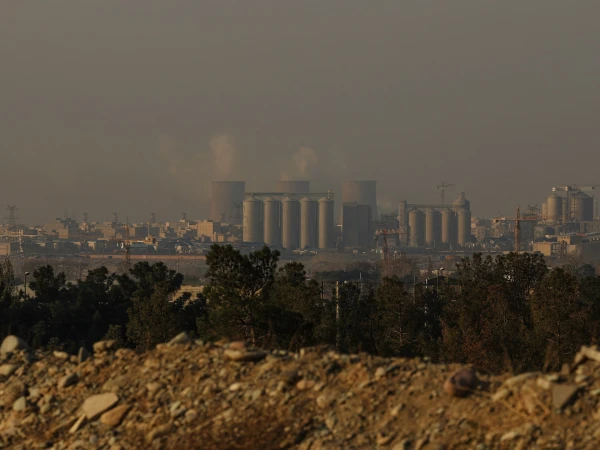
Tehran’s hospitals are buckling under the strain of a brutal winter smog crisis, as respiratory emergencies surge and families plead for relief from the choking air. For weeks, a thick, yellow haze has blanketed the Iranian capital, turning streets into gas chambers and forcing doctors to triage patients gasping for oxygen. Parents keep children indoors, workers skip shifts, and the elderly crowd emergency rooms—all victims of a silent epidemic that has become as deadly as any conflict.
"Every day, we see patients whose lungs are collapsing from the air they breathe. This is not just a health crisis—it’s a humanitarian one." — Dr. Reza Maleki, head of emergency medicine at Tehran’s Shariati Hospital
A City Paralyzed by Pollution
The smog’s grip on Tehran is suffocating more than just lungs. Schools have canceled outdoor activities, construction sites have halted operations, and hospitals are operating at 150% capacity. Ambulances weave through gridlocked streets, their sirens drowned out by the hum of idling engines—a paradox of a city paralyzed by the very vehicles that power it.
Doctors report an alarming rise in cases of chronic obstructive pulmonary disease (COPD) and childhood asthma, with children as young as four arriving in emergency rooms with severe breathing difficulties. "We’re seeing kids who’ve never had asthma before struggling to walk across a room," said Dr. Leila Karami, a pulmonologist at Tehran Children’s Hospital. "Their lungs are under attack from the moment they step outside."
Failed Solutions and Empty Promises
Government officials point to temporary fixes: banning older cars from the roads, urging residents to limit outdoor activities, and deploying water-spraying trucks to "clean" the air. But environmentalists dismiss these measures as performative. "These are cosmetic solutions," said environmental lawyer Narges Mohammadi. "The real problem is systemic—our leaders prioritize short-term economic gains over public health."
Critics also highlight the role of Iran’s oil industry, a major contributor to air pollution, in shaping policy. Despite pledges to transition to cleaner energy, subsidies for fossil fuels remain untouched, and industrial emissions continue unchecked. "We’re trading our children’s futures for oil profits," Mohammadi added.
The Human Cost
For many Tehranis, the smog has become a daily nightmare. Fatemeh, a 32-year-old teacher, wakes up each morning to check the air quality index before deciding whether to send her two young daughters to school. "I can’t let them play outside, I can’t even open the windows," she said. "My husband’s asthma has flared up so badly that he’s had to quit his job. We’re prisoners in our own home."
Others have taken drastic measures. Some families have fled to nearby towns or rented apartments in cleaner areas, while others invest in expensive air purifiers—luxuries most cannot afford. The government has promised to expand public transit and enforce stricter emissions standards, but for now, Tehran’s residents are left gasping for air, literally and figuratively.
As the smog thickens, so does the desperation. Without urgent, coordinated action, the crisis will only deepen—leaving a generation of Iranians to pay the price with their health and their lives.