Spain’s political battle reached its peak on Friday as Prime Minister Pedro Sánchez and conservative rival Alberto Núñez Feijóo traded barbs in a dramatic final stretch before Sunday’s vote. With polls showing a razor-thin race, both leaders crisscrossed the country, rallying supporters and accusing each other of deception, corruption, and betrayal.
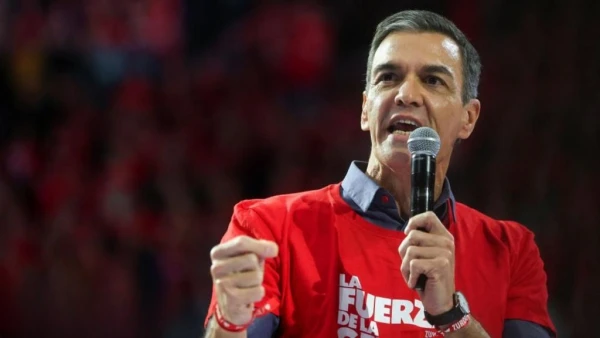
Sánchez, facing an uphill battle to defy polling predictions, accused Feijóo of plotting a coalition with the far-right Vox party—a partnership that would give the conservatives a majority. "I cannot imagine us losing," Sánchez declared to cheering supporters in Madrid, wearing a red T-shirt emblazoned with the words power of the people.
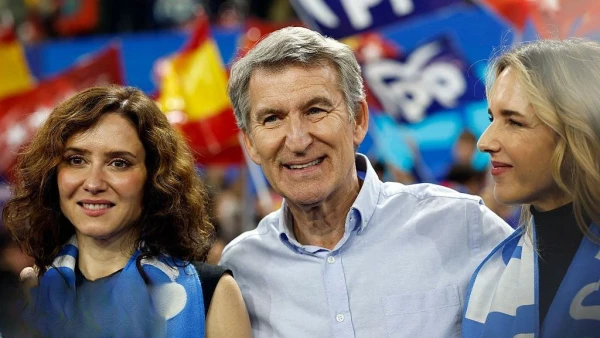
Feijóo, whose People’s Party (PP) holds a narrow lead, dismissed Sánchez’s claims as desperate and promised voters a new era of "truth, decency, and good governance." In a final campaign swing through Barcelona and Seville, he hammered the Socialist leader on issues like corruption, immigration, and Spain’s mounting national debt.
"This time, yes, we’re going to do it," Feijóo told PP supporters in Seville, echoing his failed attempt to form a government three years ago.
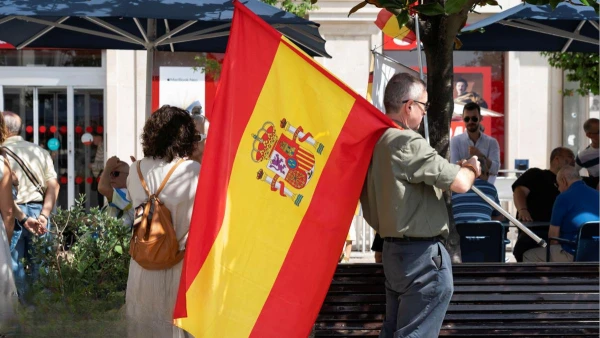
The far-right Vox party, led by Santiago Abascal, staged a fiery rally in Valencia’s bullring, where supporters waved Spanish flags and chanted slogans like less burka and less halal. The party’s anti-immigration policies, including "national priority" and "remigration," resonated with first-time voters like 18-year-old Lledó, who argued that Sánchez had failed to secure Spain’s borders after 70,000 migrants crossed into Ceuta from Morocco this summer.
Vox is hoping to nearly double its seats from 33 to over 60, positioning itself as a kingmaker in Spain’s fragmented parliament. Its rise reflects a broader shift in Spanish politics, with four regions already governed by PP-Vox coalitions.
The final day of campaigning was overshadowed by a contentious four-way TV debate, where tensions flared over issues like housing, corruption, and women’s rights. Feijóo’s dismissive gesture toward left-wing ally Ada Colau—using the word calladita, a term critics called sexist—sparked outrage, with Sánchez demanding an apology.
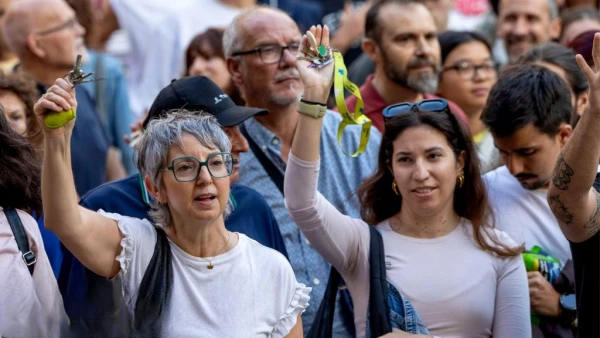
Colau, a former Barcelona mayor, fired back at her rally in Madrid, vowing, "We will not remain silent, we will win." She and Sánchez framed the election as a battle against regression, with young voters like 25-year-old Socialist supporter Leon Felipe warning of a return to Franco’s dictatorship under conservative rule.
As polls close on Sunday, Spain stands at a crossroads. The outcome could reshape not just its domestic policies but the political trajectory of Europe, with France’s presidential elections looming just five months away.
A Nation Divided: The Issues That Defined the Campaign
Immigration emerged as the defining issue, with Vox’s hardline stance drawing new supporters. Meanwhile, corruption scandals dogged Sánchez’s government, while Feijóo’s PP accused the left of failing to address housing shortages and economic instability.
Women’s rights also took center stage after Feijóo’s debate moment, which critics labeled misogynistic. Colau and Sánchez seized on the controversy, painting the PP as out of touch with modern Spain.
The Stakes: What’s at Risk in Spain’s Election
For voters like Isabel, a retired woman attending her first PP rally, the choice is simple: "Spain needs a good manager." For others, like Lledó, it’s about protecting national identity. As the campaign ends, the question remains: Will Spain move forward—or slip backward?