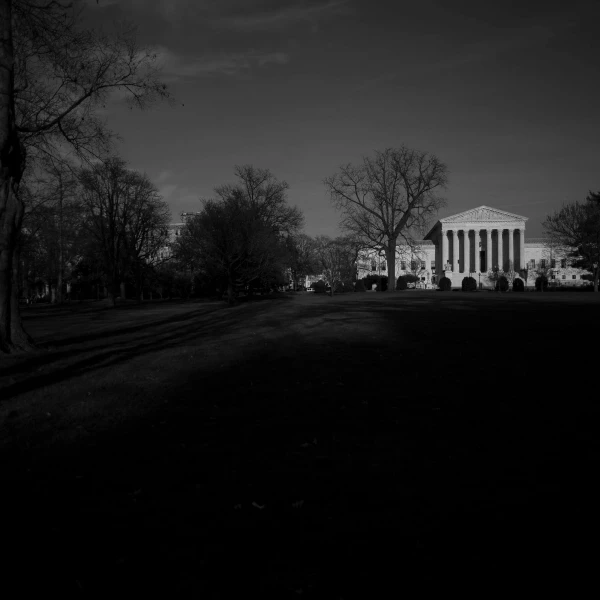
The Supreme Court’s shadow docket—a term used to describe the growing number of emergency rulings and procedural decisions made without oral argument or full briefing—has become a focal point of legal and political debate. Critics argue that this opaque process sidesteps transparency and accountability, allowing the Court to decide major issues without the rigor of traditional proceedings.
Traditionally, the Court's public docket involves detailed briefs, scheduled oral arguments, and published opinions. In contrast, shadow docket orders often address urgent matters like injunctions or stays, and are issued with minimal explanation. This practice has surged in recent years, drawing attention from both sides of the aisle.
Supporters of the shadow docket contend that it is a necessary tool for addressing time-sensitive disputes, such as those involving elections, immigration, or public health crises. They argue that the process is efficient and based on established legal standards, even if the decisions are concise.
However, legal scholars point to several concerns. The lack of reasoning in many orders makes it difficult to understand the Court's legal rationale, creating uncertainty for lower courts and litigants. Additionally, some fear that the shadow docket can be used to enact policy changes without the deliberation that major rulings warrant.
In a notable example, the Court's shadow docket decisions on voting rights and pandemic restrictions have sparked controversy. Justices themselves have disagreed about the propriety of this practice, with some calling for greater transparency and others defending its utility.
As the Court continues to rely on the shadow docket for consequential matters, the debate underscores a fundamental tension between efficiency and judicial accountability. The outcome of this scrutiny may shape how the highest court operates for years to come.