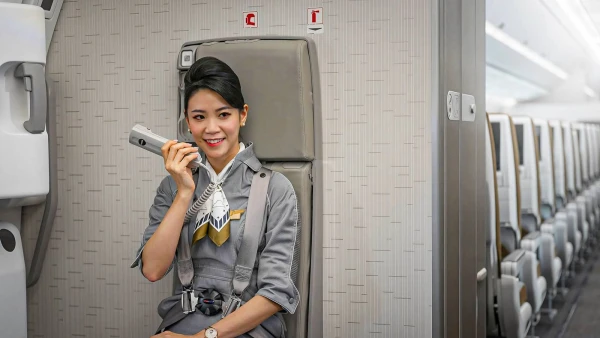
The moment the boarding door shuts, a flurry of unseen activity begins in the cabin. While passengers settle into their seats, adjust their headphones, or scroll through their phones, flight attendants are performing a critical safety ritual that could mean the difference between life and death in an emergency.
A Role Beyond Service
Flight attendants are often seen as the smiling faces of the airline, offering drinks and snacks to make the journey pleasant. But their primary responsibility is far more serious: ensuring the aircraft is prepared for the worst-case scenario. Modern cabin safety is a meticulous science, governed by international regulations and designed to prevent accidents, manage hazards, and maximize survivability during emergencies. Organizations like the International Air Transport Association (IATA) and the International Civil Aviation Organization (ICAO) set the standards, while airlines and crews implement them with precision.
"Crew members designated to perform safety duties in the passenger cabin are qualified to enact procedures that ensure a safe and orderly evacuation when necessary." — IATA’s Cabin Operations Safety Guide
The Unseen Ritual: Arming the Doors
As soon as the boarding door closes and the aircraft prepares to depart, the flight crew issues a command: "Cabin crew, arm the doors and cross-check." This phrase signals the start of a critical safety procedure that passengers rarely notice but could one day save their lives.
Arming the doors means attaching the emergency slides to the exits, ensuring they will automatically inflate if the door is opened during an emergency. The senior crew member then contacts each station, confirming that every door is armed and cross-checked. Only when all stations report back does the aircraft receive clearance to taxi. This process is repeated in reverse before landing, when the doors must be disarmed to allow normal disembarkation.
Why Speed Matters
In an emergency evacuation, every second counts. The aviation industry’s gold standard is a 90-second evacuation, a benchmark that relies on flawless execution of these procedures. If a door is not armed correctly, the slide may fail to deploy, or worse, deploy prematurely—injuring ground crew or causing costly delays. Conversely, an inadvertent slide deployment can ground a flight for hours while the equipment is repacked and inspected.
The Devil in the Details: Airbus vs. Boeing
Not all aircraft doors are created equal. Airbus and Boeing employ different mechanisms, each requiring specialized training.
- Airbus doors lift upward and outward, with the interior of the door facing the exterior of the fuselage. They operate smoothly, often with mechanical assistance to ease the crew’s workload.
- Boeing doors swing outward horizontally, with the interior of the door visible from outside. These doors can be heavy and cumbersome, demanding more physical effort from the crew.
Flight attendants undergo rigorous training on door operations, practicing on specialized simulators until the movements become instinctive. This training is repeated regularly to ensure consistency and safety across all aircraft types.
A System Built on Precision
The arming and disarming of doors is just one piece of a larger safety puzzle. Flight attendants also verify that baggage is stowed correctly, seat belts are fastened, and the cabin is secure before takeoff and landing. They monitor for unruly passengers, medical emergencies, or passengers needing special assistance, all while maintaining situational awareness.
The next time you board a flight, take a moment to appreciate the unseen work happening around you. That quiet command over the intercom—"Cabin crew, arm the doors and cross-check"—is the sound of safety being activated, ensuring that if the unthinkable happens, the crew is ready to respond in seconds.