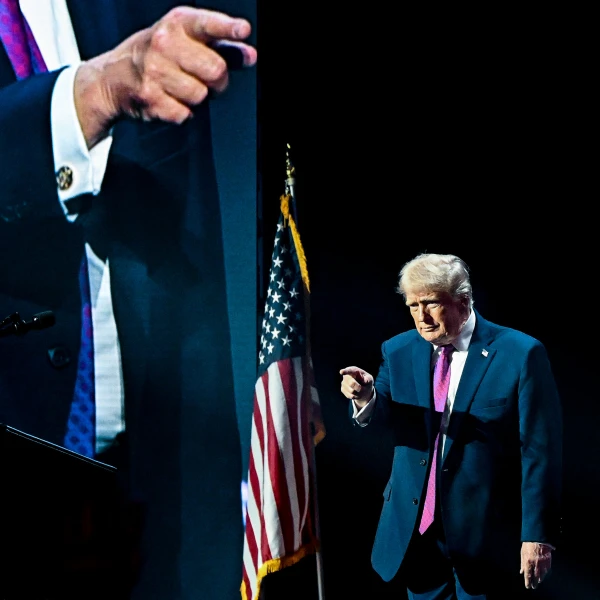
President Trump has long held firm that Iran must never obtain a nuclear weapon. After two military operations aimed at dismantling Tehran's nuclear program, his administration is now turning to diplomacy. A second round of talks in Pakistan seeks to restrict Iran's enrichment capabilities for decades—a goal that could stabilize a volatile region and prevent a nuclear arms race.
But Trump owes this effort to the world. In 2018, he abandoned the landmark Joint Comprehensive Plan of Action, which had limited Iran's enrichment to 3.67% purity under strict international monitoring. Since then, Iran has amassed a 970-pound stockpile of uranium enriched to 60%—just weeks away from bomb-grade material.
Any new deal must match or exceed the JCPOA's rigor. A 20-year enrichment freeze, as proposed, is a start, but it must include reinstated international inspections and the handover of Iran's current stockpile. Anything less would be a step backward.
The stakes are high. A successful agreement could curb Iran's nuclear sprint, reduce war risks, and maintain strategic balance. Failure risks an arms race in an already volatile Middle East.