UK Agrees to EU Participation Fee in New Trade and Standards Deals
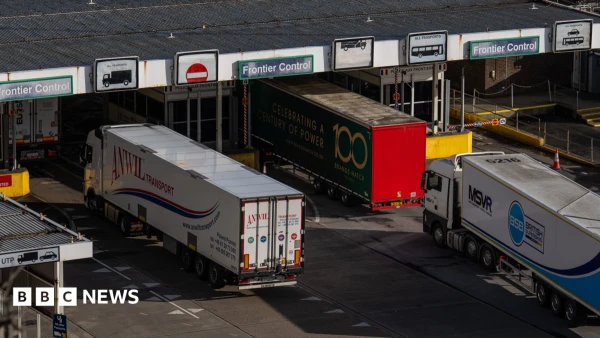
The British government has confirmed it will pay a "participation fee" to the European Union as part of landmark agreements designed to reduce trade barriers and align UK regulations with Brussels. The financial arrangement, outlined in newly published legal documents, marks a significant step in the UK’s post-Brexit relationship with the bloc.
Under the terms of the deals, the UK will contribute to the operational costs of three EU agencies and systems required to implement agreements on carbon trading and food standards. The payments will include an "operational contribution" proportional to the size of the UK’s economy relative to the EU, mirroring the funding model used by member states. Additionally, London will pay a 4% surcharge on this figure, labeled as a "participation fee" in the treaties.
Government officials have emphasized that the financial burden—expected to run into the tens of millions annually—will be dwarfed by the projected economic benefits. Ministers estimate the agreements could boost the UK economy by billions each year through increased trade and reduced red tape for businesses. However, the exact cost remains undisclosed, with officials describing it as "low tens of millions per year."
"The prime minister was seeking a 'blank cheque' to enact EU laws without proper oversight." — Kemi Badenoch, Conservative Party leader
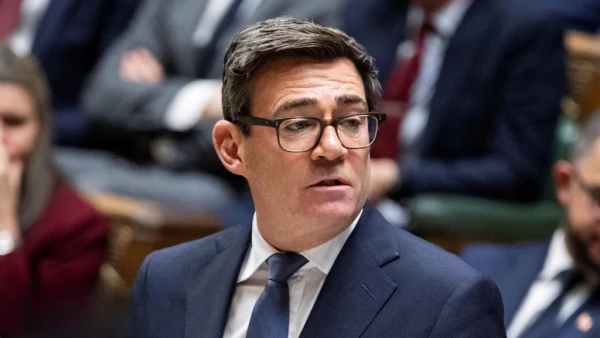
The deals, negotiated by Prime Minister Andy Burnham’s administration, aim to reintegrate the UK into the EU’s carbon trading system and align British food standards with Brussels’ regulations. A third agreement, covering youth mobility visas for 18 to 30-year-olds, is expected to be finalized in the coming days.
Critics, however, have raised concerns over the lack of parliamentary scrutiny. The government has introduced legislation granting it broad powers to adopt new EU laws required to implement the agreements without full parliamentary votes. While ministers argue this is necessary for practicality, opposition leaders accuse Burnham of bypassing democratic processes.
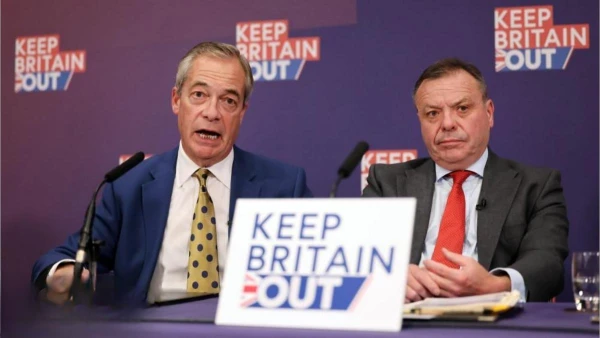
Conservative Party leader Kemi Badenoch condemned the move, stating that the prime minister was seeking a "blank cheque" to enact EU laws without proper oversight. Reform UK’s Nigel Farage went further, warning that the agreements would effectively pull the UK back into the EU’s single market, undermining the benefits of Brexit.
The government has countered these claims, asserting that British experts will retain a consultative role in EU rule-making processes. Treaty texts confirm the UK will have "observer" status in certain meetings, allowing input into future regulations. Still, the absence of voting rights has fueled skepticism about the long-term implications of the deals.
As the agreements inch closer to implementation in 2028, the debate over their economic and political consequences is intensifying. Proponents argue the measures will streamline trade and enhance regulatory alignment, while opponents warn of creeping EU influence and diminished national sovereignty.