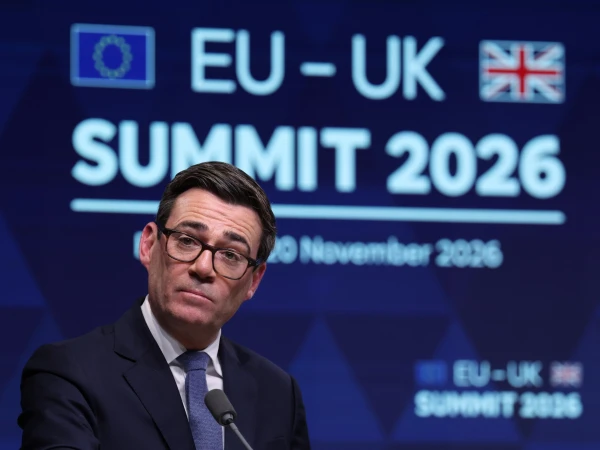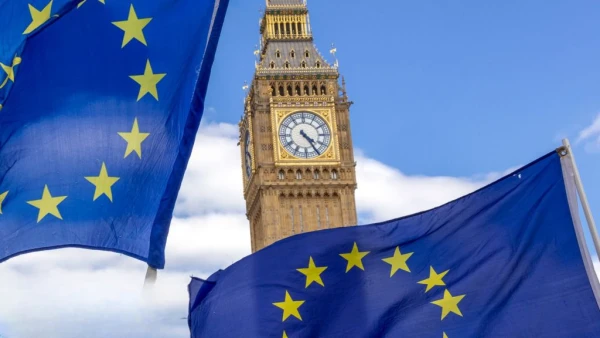
The UK government and European Union are poised to unveil the final texts of two landmark treaties this week, marking a significant step in their post-Brexit reset. The agreements, set to be published Thursday alongside enabling legislation, aim to slash red tape for British food exporters while introducing a controversial 10-year termination clause that could impose hefty costs on either side if the deal collapses.
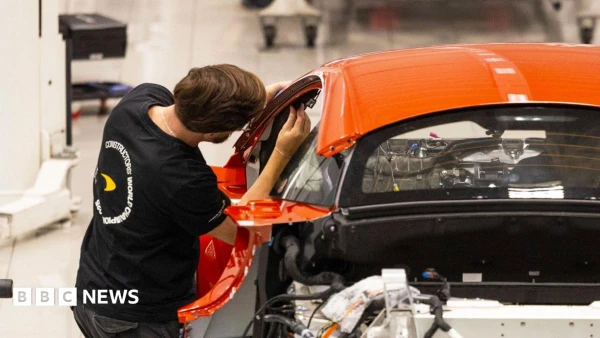
Under the new framework, food producers stand to benefit from a 16% boost in agricultural exports, thanks to the dismantling of border checks and the elimination of burdensome paperwork. However, industry insiders caution that broader economic headwinds—particularly energy price volatility stemming from the Middle East conflict—could overshadow these gains, leaving consumers with little immediate relief at the checkout.
The treaties, covering food trade and emissions trading, also include provisions for a youth exchange program and a mechanism for the UK to observe—but not vote on—relevant EU regulations. European affairs minister Hamish Falconer framed the deal as a pragmatic solution, emphasizing its potential to "protect billions of pounds worth of British exports from carbon taxes" and simplify trade with the bloc.
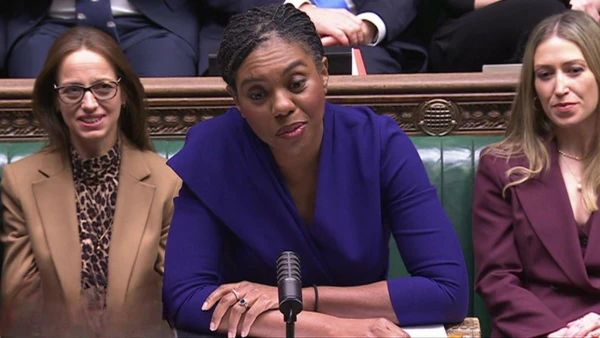
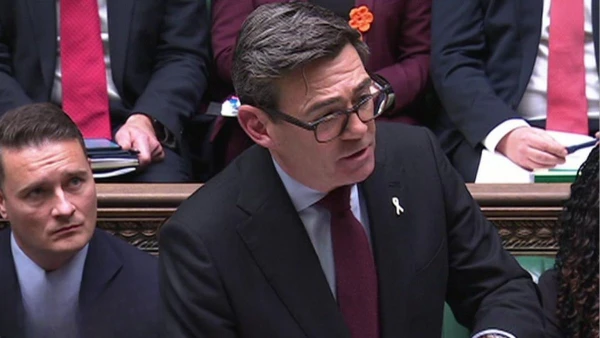
Critics, however, are already sounding the alarm. Opposition leader Kemi Badenoch has vowed to scrap the agreement if her party gains power, while Reform UK’s Nigel Farage has dismissed the financial penalties tied to the termination clause as unacceptable. Labour’s Andy Burnham dismissed concerns about rejoining the EU, calling such talk "unthinkable" without a referendum, and accused former prime ministers of being "stuck in the past."
The legislation accompanying the treaties also grants ministers sweeping powers—dubbed "Henry VIII powers"—to align UK and EU laws through secondary legislation, raising concerns about reduced parliamentary scrutiny. Meanwhile, the UK’s aviation and maritime sectors are set to gain expanded coverage under the linked emissions trading schemes.
As the government prepares to release detailed assessments of the deal’s regional and sectoral impacts, the debate over its long-term implications for the UK-EU relationship shows no signs of abating.