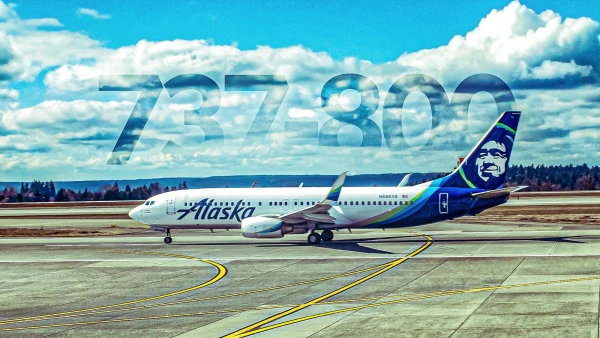
Alaska Airlines is phasing out its entire fleet of 25-to-26-year-old Boeing 737-700 jets next year, replacing them with a mix of newer 737 MAX 10s and older 737-800s. The airline’s iconic 'Milk Run'—a series of short hops linking remote Southeast Alaska towns like Ketchikan, Wrangell, and Juneau—will now be served by the larger 737-800s instead of the oversized MAX 10s, which are better suited for busier mainland routes.
"Most will probably go to the graveyard." — Scott Habberstad, Alaska Airlines Market Manager
A Strategic Shift: Why Alaska Chose 737-800s Over MAX 10s
Alaska Airlines’ decision to assign 737-800s to the 'Milk Run' instead of the newer 737 MAX 10s is a calculated move to balance efficiency and practicality. The MAX 10, while more fuel-efficient, is too large for the route’s tight runways and short flight segments. The 737-800, though older, offers the ideal size and capacity for the Milk Run’s unique demands.
The upgauging from 124 to 161 seats per flight not only meets growing passenger demand but also provides significantly more cargo space—critical for transporting high-value goods like fresh seafood and medical supplies. Alaska’s cargo operations are expanding rapidly, with a $150 million annual profit target from new freighter services.
Fleet Modernization Meets Cargo Expansion
Alaska’s fleet overhaul isn’t limited to passenger jets. The airline is also doubling its cargo capacity by adding four leased 737-800BCF freighters in 2027, bringing its total freighter fleet to nine aircraft. This expansion ensures that remote communities continue to receive reliable cargo service, even as older passenger jets are retired.
The cargo push aligns with Alaska’s broader strategy to modernize its fleet while maintaining service to its most isolated destinations. Three converted 737-700 freighters will remain in service until 2028, bridging the gap during the transition.
The Hawaiian Connection: A Second Fleet Transition
Alaska’s fleet changes extend beyond its Southeast Alaska operations. Hawaiian Airlines, a subsidiary of Alaska Air Group, will replace its aging Boeing 717 fleet with 737-800s starting in 2028. This move not only modernizes Hawaiian’s narrowbody fleet but also standardizes aircraft types across the group, improving operational efficiency.
The shift to larger jets on Hawaiian’s Neighbor Island routes will enhance fuel efficiency and passenger comfort, while also accommodating growing demand for inter-island travel.
Behind the Scenes: Certification, Costs, and Future Upgrades
The 737 MAX 10’s certification process was rigorous, requiring nearly 1,000 test flights and over 2,000 flight hours to meet FAA safety standards. Boeing addressed flight control software issues that led to past MAX 8 crashes, ensuring the MAX 10’s safety before its amended type certificate was issued.
Alaska is also cutting costs on the ground, with plans to reduce its workforce by 200 employees as part of a $100 million overhead reduction initiative. These savings, combined with fuel efficiency gains from the MAX 10, will help offset rising operational expenses.
What’s Next for Alaska’s Fleet?
Looking ahead, Alaska plans to introduce premium cabin upgrades on select 737 MAX 10 routes in 2028, including Aurora Suites and Premium Reserve rooms. These enhancements will complement the airline’s long-haul 787 fleet, offering passengers a more luxurious experience on shorter domestic routes.
The success of Alaska’s fleet modernization hinges on Boeing’s ability to deliver 50 new 737 MAX 10s over the next two years. Any delays in production could disrupt the airline’s carefully planned retirement schedule for its 737-700s.