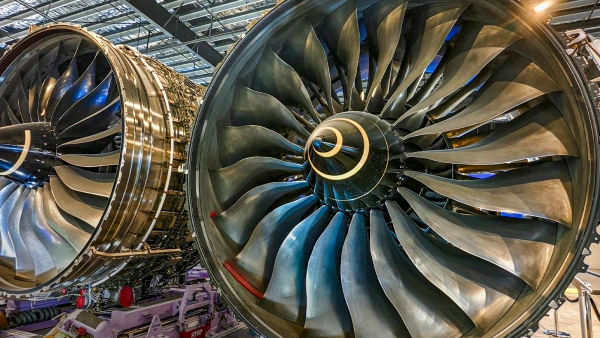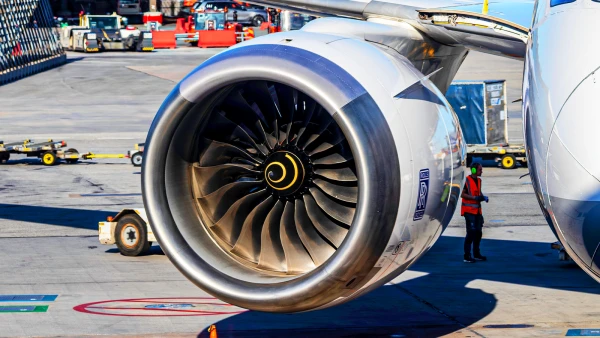
Rolls-Royce has achieved a major breakthrough in engine reliability for the Boeing 787 Dreamliner, tripling the time between required overhauls with a single redesigned blade. The innovation, part of the new Trent 1000 XE engine, slashes maintenance costs and could help Rolls-Royce regain ground in a market dominated by General Electric’s GEnx.
“This redesign is a game-changer for Rolls-Royce, addressing the durability issues that have plagued the Trent 1000 for years.” — Aviation industry analyst
A Decade of Turmoil for the Trent 1000
When the Boeing 787 Dreamliner debuted in 2011, the Trent 1000 was its star engine, powering the first flight and winning orders from major airlines like All Nippon Airways and British Airways. Yet behind the scenes, durability issues began surfacing almost immediately. Cracks in turbine blades and compressor components forced airlines to conduct inspections every 80 flights—down from the original 200—and downgraded the engine’s ETOPS rating, limiting long-haul capabilities.
Rolls-Royce responded with the Trent 1000 TEN, a revised version aimed at fixing the flaws. But the TEN, too, faced reliability problems, leaving airlines frustrated and Rolls-Royce scrambling to meet repair demands. The manufacturer’s inability to scale up maintenance capacity further exacerbated the crisis, mirroring the ongoing struggles of Pratt & Whitney’s PW1000G engines in Airbus narrowbodies.
The Trent 1000 XE: A Fresh Start
The Trent 1000 XE marks Rolls-Royce’s most ambitious attempt yet to reclaim its position in the 787 market. The redesign focuses on three key upgrades:
- A new high-pressure turbine blade that improves durability and reduces stress.
- A redesigned cooling-hole pattern that increases airflow by 40%, lowering core temperatures by 45°C.
- Reduced tip weight to enhance efficiency and extend the engine’s lifespan.
These changes theoretically allow the XE to operate three times longer between overhauls compared to the TEN, bringing its maintenance costs in line with GE’s GEnx. Rolls-Royce has also invested heavily in expanding its maintenance, repair, and overhaul (MRO) capacity to avoid repeating past bottlenecks.
A Market in Flux
Rolls-Royce’s struggles with the Trent 1000 have left it with a mere 3% share of the current 787 backlog—a stark contrast to its early dominance. While GE’s GEnx powers the majority of Dreamliners in service today, Rolls-Royce has secured only a handful of new orders, including deals with LATAM and Somon Air. The company’s exit from the narrowbody market in 2011 further limited its options, leaving the Trent 1000 as its primary volume seller.
Yet the tide may be turning. The Trent 7000, a variant of the XE used on the Airbus A330neo, has performed better than expected, thanks to a larger backlog. Meanwhile, the Trent XWB—Rolls-Royce’s most successful commercial engine—continues to thrive on the Airbus A350, with recent upgrades exceeding fuel-burn expectations.
The Path Forward
For Rolls-Royce, the Trent 1000 XE represents more than just an engine upgrade—it’s a chance to restore its reputation. The company plans to refurbish the entire Trent-powered 787 fleet by 2027, a massive undertaking that could redefine its standing in the commercial aviation market. Whether this effort will be enough to challenge GE’s dominance remains uncertain, but one thing is clear: the stakes have never been higher.
As airlines weigh the long-term costs of engine reliability, Rolls-Royce’s latest innovation could be the breakthrough it needs to turn the page on a decade of turbulence.