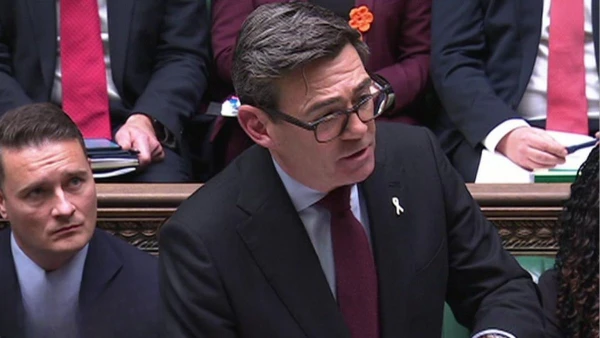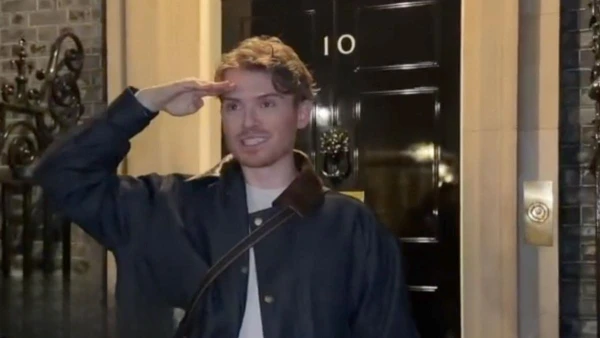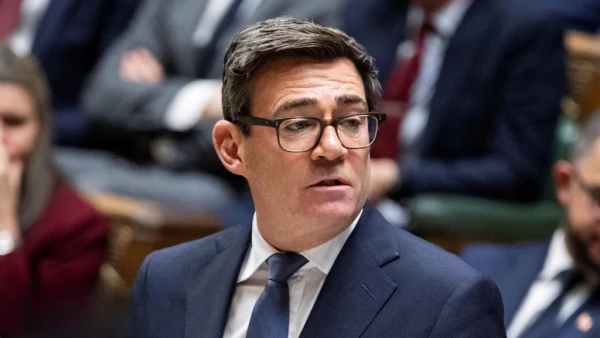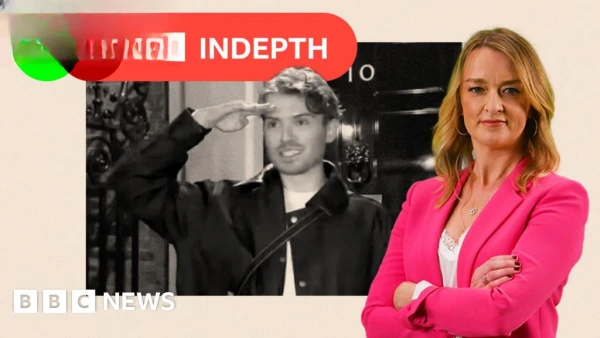
Prime Minister Andy Burnham’s embrace of social media influencers has ignited a political firestorm this week, exposing a growing tension between the government’s desire to connect directly with voters and the risks of bypassing traditional scrutiny. The controversy erupted after an influencer filmed a video outside No 10 miming to explicit lyrics, prompting accusations that Burnham’s team prioritizes viral appeal over accountability.
"The comments outside No 10 were undeniably offensive and the whole thing is unedifying," said a senior Westminster journalist. "But does it matter in the grand scheme of things? This isn’t new—successive prime ministers have attempted to go direct to influencers with mixed success for many years now."
The row underscores a fundamental question: Does reach justify the lack of scrutiny? Burnham’s team has leaned heavily into platforms like TikTok and Instagram, collaborating with viral content creators to humanize his leadership. Yet the fallout from the influencer’s video—now deleted—has exposed the pitfalls of a strategy that values engagement over gatekeeping.
The Influencer Gambit: A Double-Edged Sword
Burnham isn’t alone in courting online personalities. Tony Blair once appeared on Richard & Judy, David Cameron fielded questions from Heat magazine’s Gemma Collins, and Gordon Brown famously fumbled a claim to be an Arctic Monkeys fan. But what sets Burnham apart is the scale and ambition of his 21st-century approach. His team has cultivated partnerships with influencers, podcasts, and viral media outlets, bypassing traditional press corps in favor of direct-to-audience messaging.
Critics, however, warn that this strategy risks turning politics into a performance. "The problem is when access starts being prioritised for people whose job is to make content, rather than ask questions," said a senior political journalist. "If influencers get the access without the scrutiny, it’s the public who lose out."
The Blurred Line Between Content and Propaganda
The controversy also shines a light on the murky ethics of government-backed online content. Some clips posted by influencers are effectively paid advertisements, yet they often lack the transparency of traditional political ads. When scrolling through social media, it’s not always clear whether a politician’s post is organic or orchestrated—nor who shaped the message.
"Holding power to account is a serious responsibility," the journalist added. "It requires independence, experience, and a willingness to ask difficult questions. The ability to reach an audience is no substitute for the ability to scrutinise those in power."
A Mirror Held to Traditional Media
Ironically, the backlash against Burnham’s influencer strategy comes at a time when traditional outlets are also expanding their digital presence. Many newspapers and broadcasters now boast vast social media followings, yet some have been quick to condemn the government’s embrace of the same platforms.
One former press secretary suggested the media should reflect on its own role in this shift: "We’ve got into this dead end where politicians don’t say what they think, while our political discourse waits for them to say anything that’s…"
The debate over Burnham’s tactics is far from over. As politics becomes increasingly fragmented, the challenge for leaders—and the public—is to balance the allure of viral reach with the necessity of accountability.