Taylor Sheridan is undeniably one of the most influential writers in modern Hollywood. While he is currently best known as the architect behind the massive Yellowstone television empire and its various rugged spinoffs, his roots lie in gripping, morally complex cinema. The thematic DNA of his modern Westerns—broken systems, grim survival, and the blurring lines between right and wrong—was firmly established well before the Dutton family dominated the small screen.
The purest distillation of Sheridan's grim worldview arrived with his breakout script, Sicario. Brought to life by visionary director Denis Villeneuve (Dune, Arrival), this blistering cartel thriller remains a high-water mark for the writer. Plunging viewers into the murky depths of the U.S.-Mexico border's war on drugs, the film is a masterclass in tension and moral decay, and it is currently finding a new audience streaming on Max.
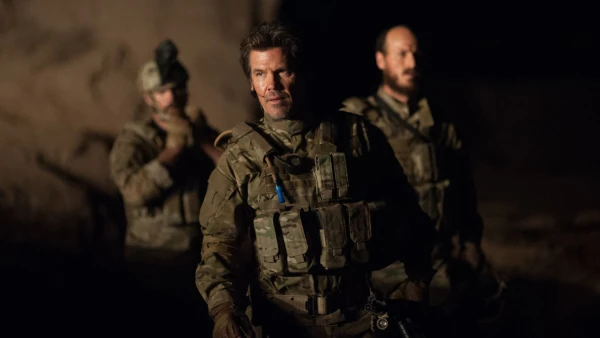
Unlike traditional crime thrillers, Sicario offers no clean-cut heroes or triumphant victories. The narrative follows idealistic FBI agent Kate Macer (Emily Blunt), who quickly realizes her textbook understanding of justice has no place in the brutal reality of border enforcement. As she is drawn deeper into a shadow war orchestrated by CIA operative Matt Graver (Josh Brolin) and the enigmatic assassin Alejandro Gillick (Benicio del Toro), Kate is subjected to a steady stripping away of her institutional faith.
Sheridan's script deliberately keeps both Kate and the audience in the dark, transforming the film into an exercise in nerve-shredding suspense. Every raid and convoy bristles with the threat of sudden violence. The iconic border crossing scene perfectly encapsulates this atmosphere: stuck in claustrophobic traffic after extracting a high-value cartel target from Mexico, the task force finds itself in a deadly, sun-drenched standoff. It is a relentless, brilliantly staged sequence that highlights exactly why Sheridan's breakout screenplay continues to stand as his sharpest, most unapologetic piece of writing to date.