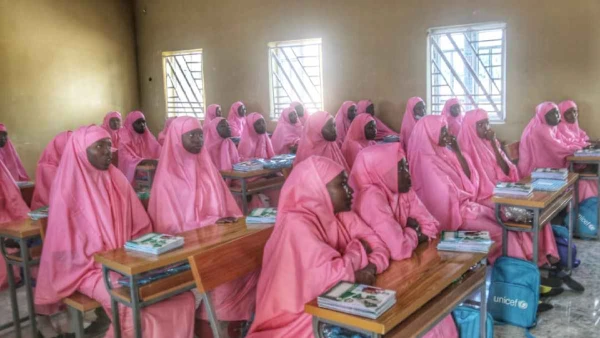
After more than a decade of insurgency and displacement, the northeastern Nigerian state of Borno has seen school enrolment numbers almost double. According to the state education ministry, the latest figures show that roughly 1.2 million children are now registered in public schools, up from just over 600 000 before the conflict intensified.
The surge reflects a concerted effort by the Nigerian government and humanitarian partners to rebuild schools, provide temporary learning centres and distribute learning materials in hard‑to‑reach areas. Community leaders report that many families, once forced to flee their villages, are returning and prioritising education for their children despite lingering insecurity.
"We are witnessing hope return to our classrooms," said a teacher in the town of Maiduguri. "The doors are open again, but we still face challenges – occasional attacks, poverty and the need for more teachers."
While the numbers are encouraging, experts warn that violence, ongoing displacement and widespread poverty continue to keep a substantial number of children out of school. UNICEF estimates that up to 1 million school‑age children in Borno remain unreached, highlighting the need for sustained investment in safety, infrastructure and psychosocial support.
The government has pledged to construct 5 000 new classrooms by the end of 2025 and to expand cash‑transfer programmes that help families afford school fees and uniforms. If these measures hold, the upward trend in enrolment could translate into a generation better equipped to rebuild the war‑torn region.
"Education is the most powerful tool we have to break the cycle of violence," a local NGO director emphasized, urging donors to maintain momentum.
The path ahead remains fraught, but the doubling of enrolment offers a glimpse of a more hopeful future for Borno’s children.